The Vikings of Scotland
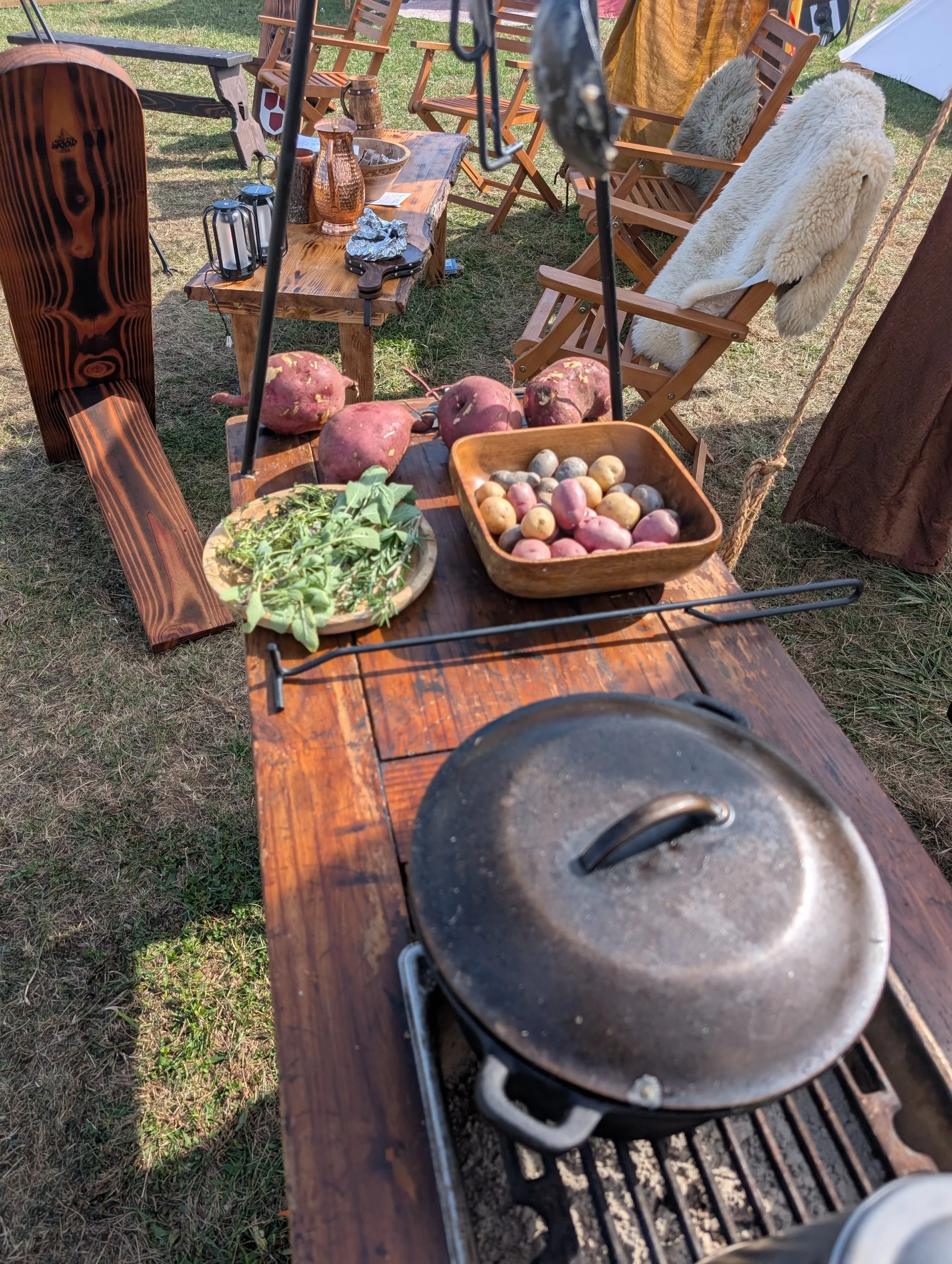
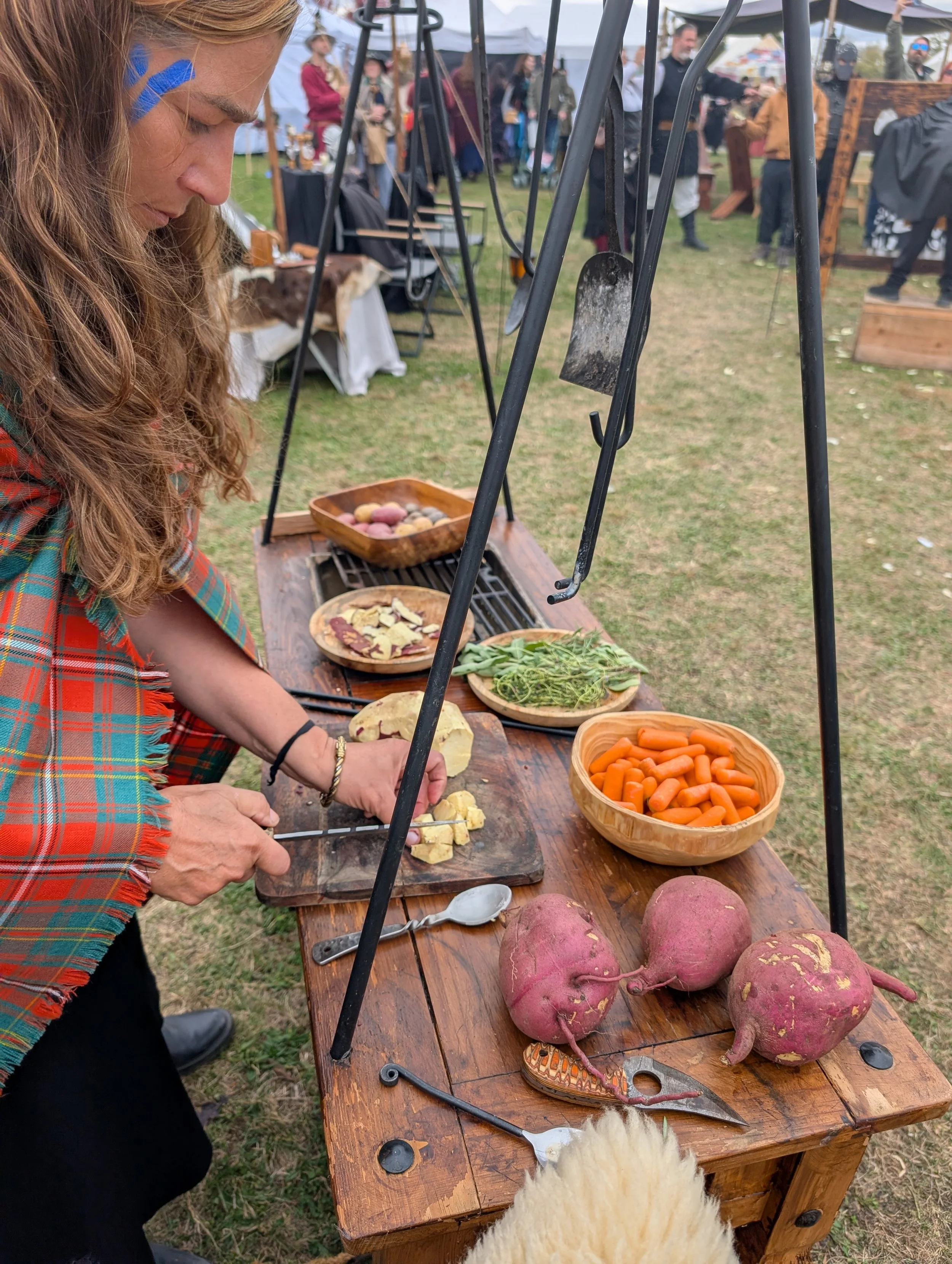
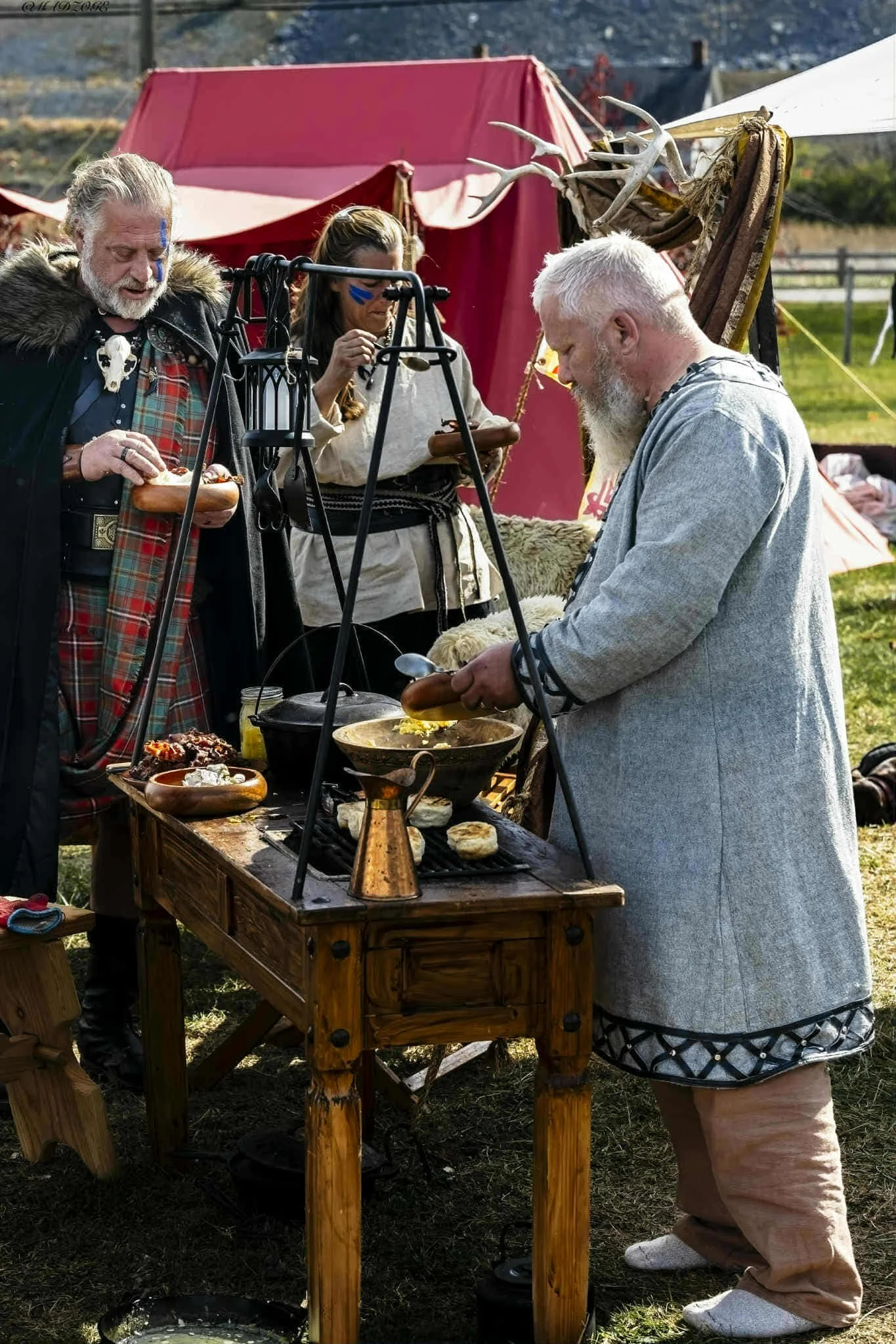
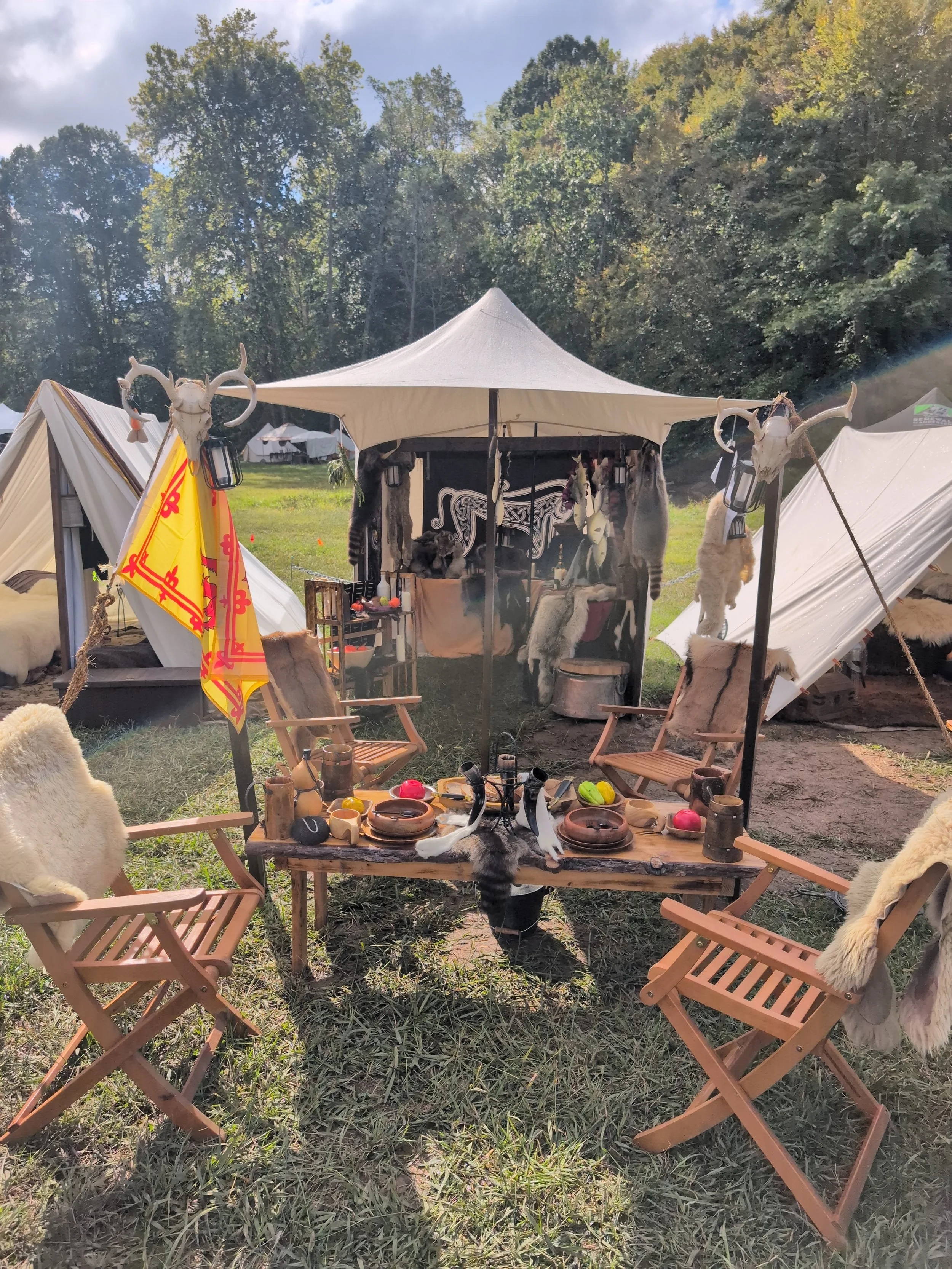
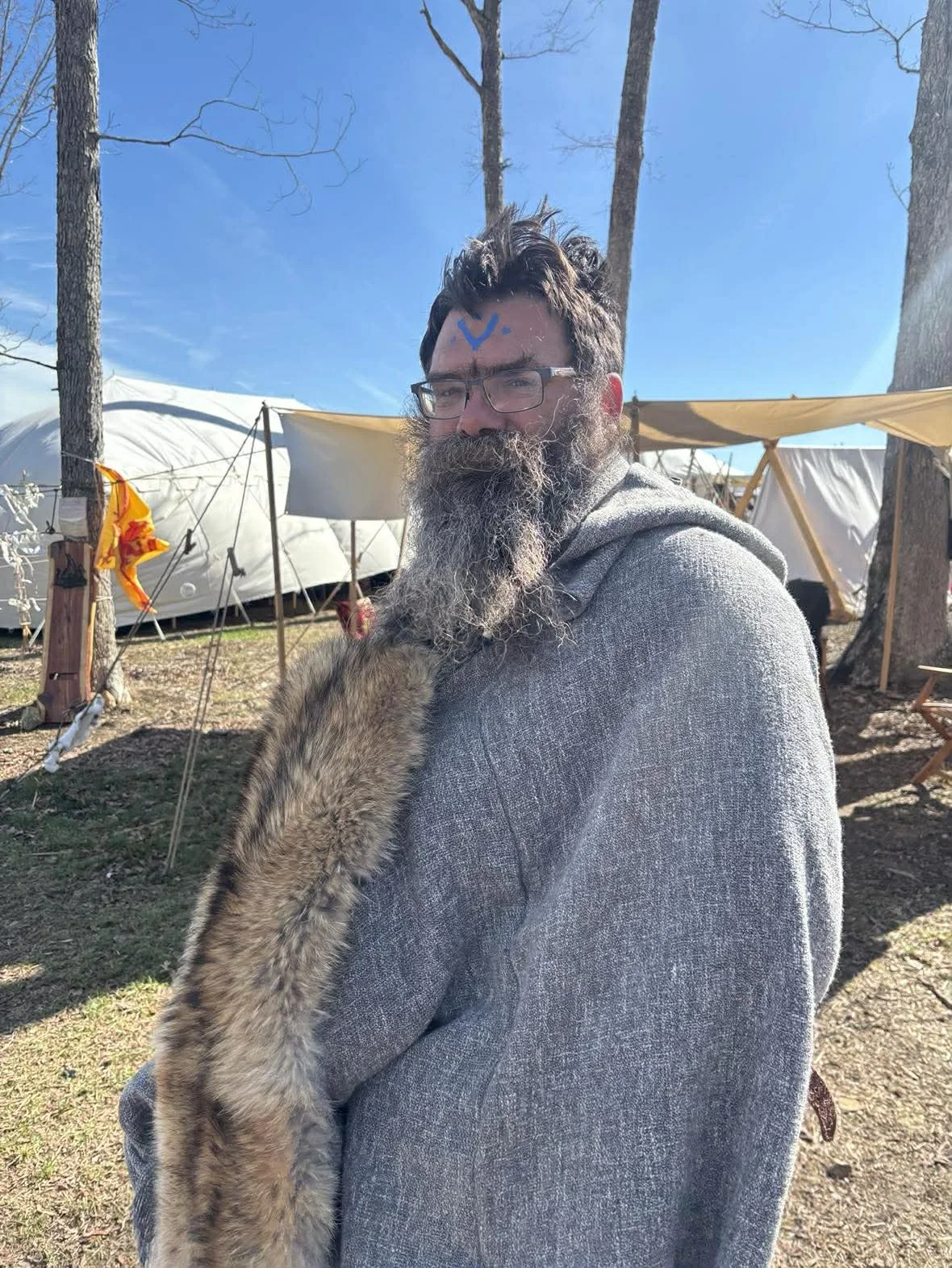
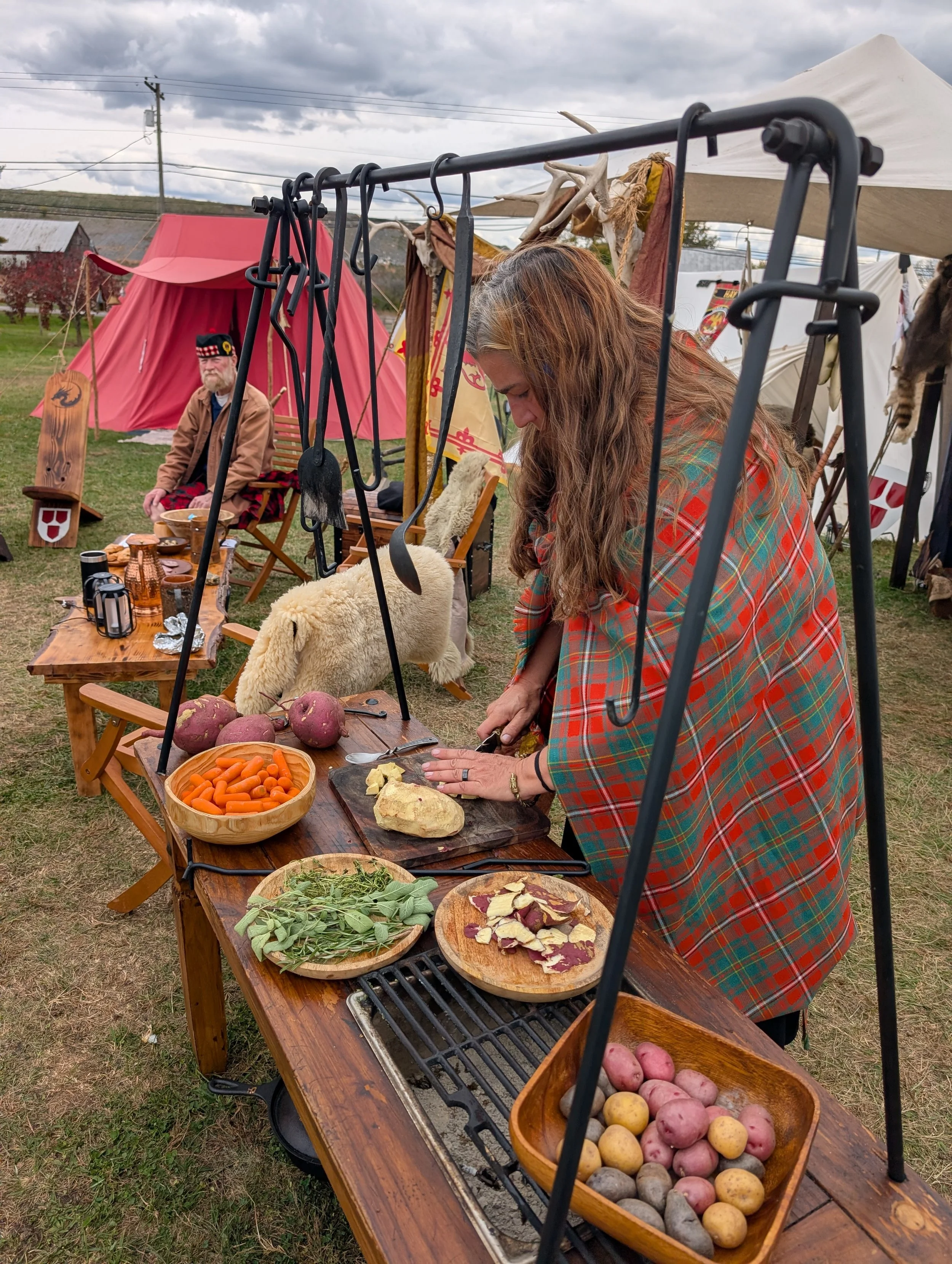
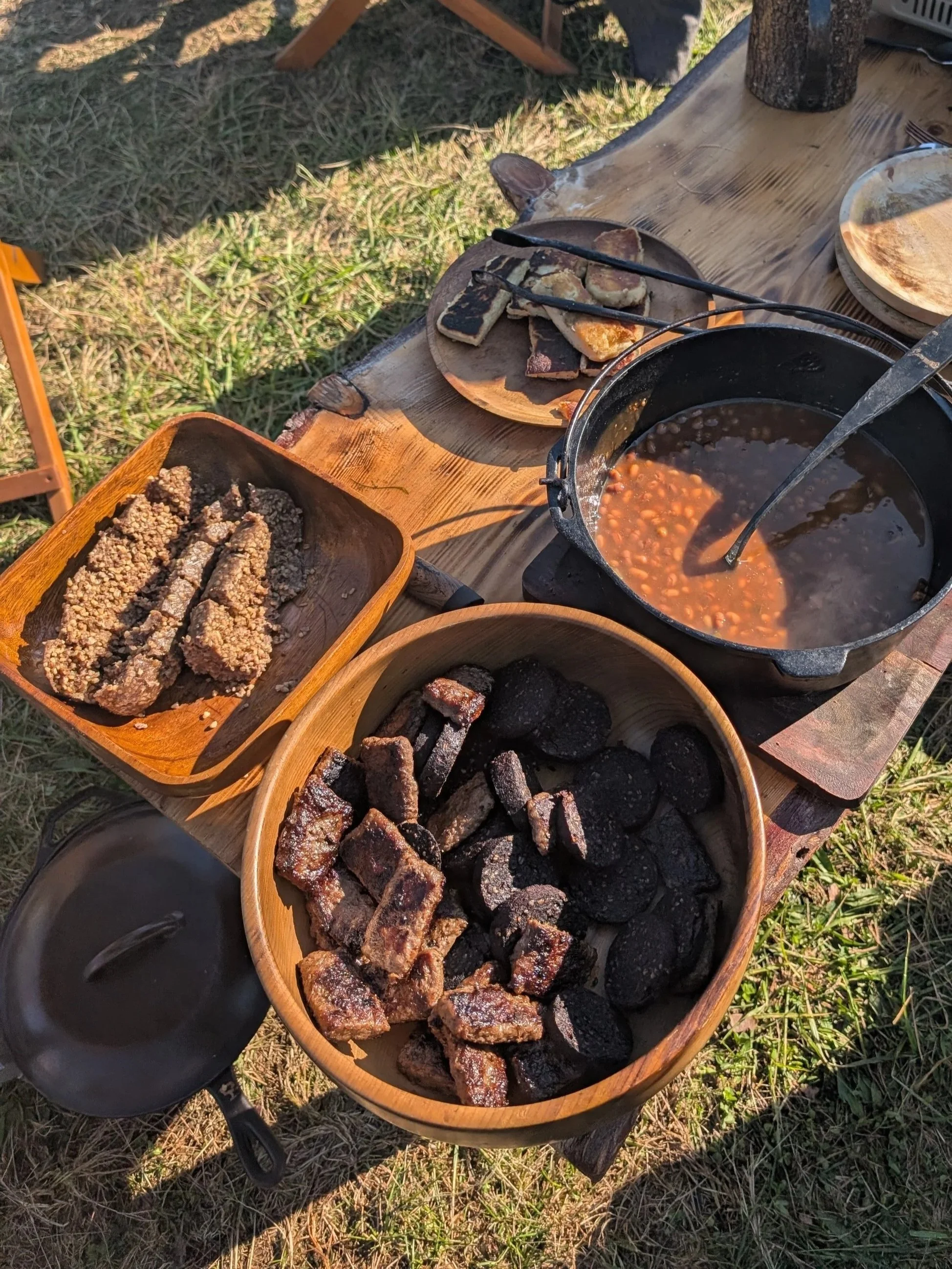
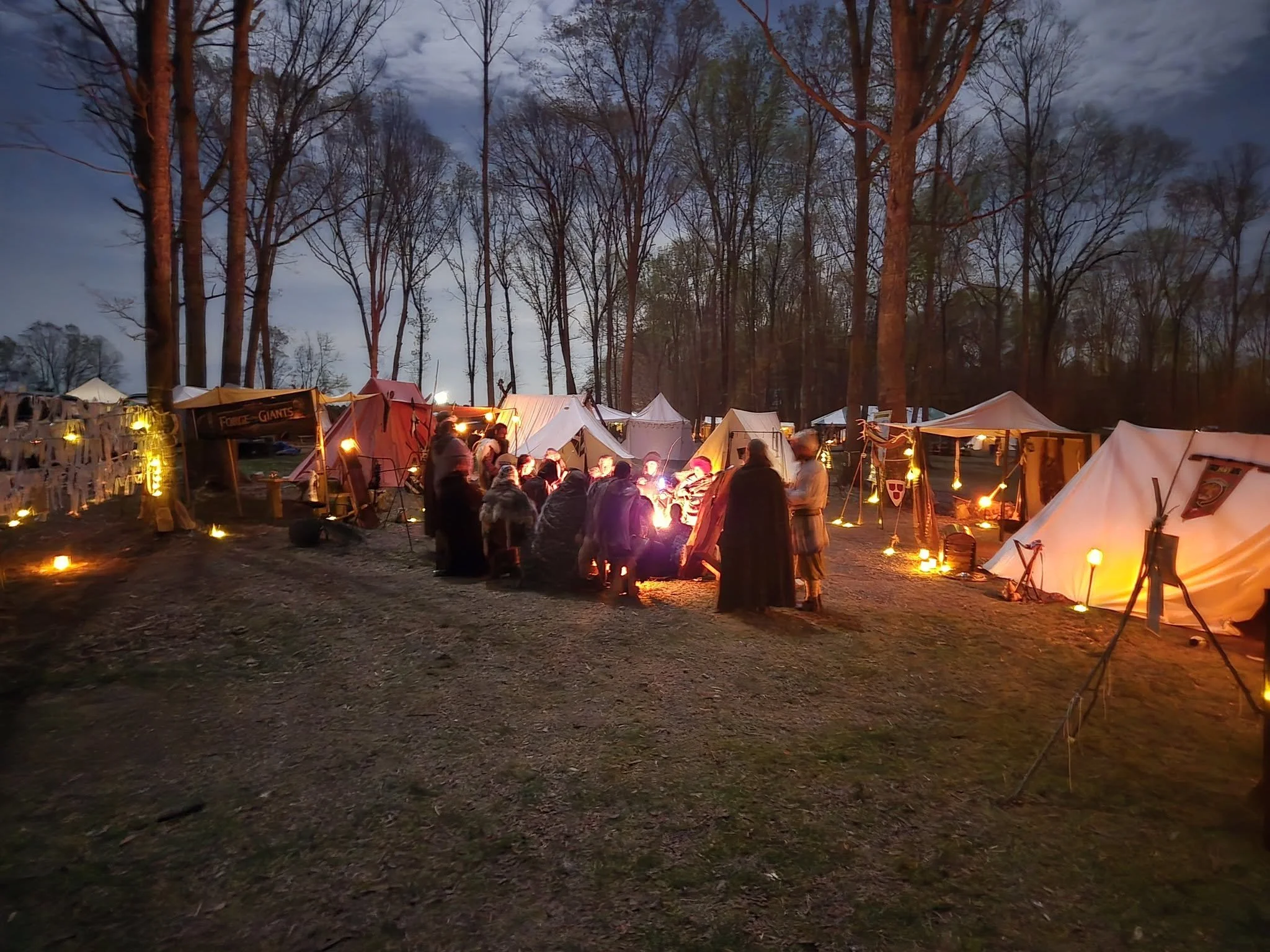
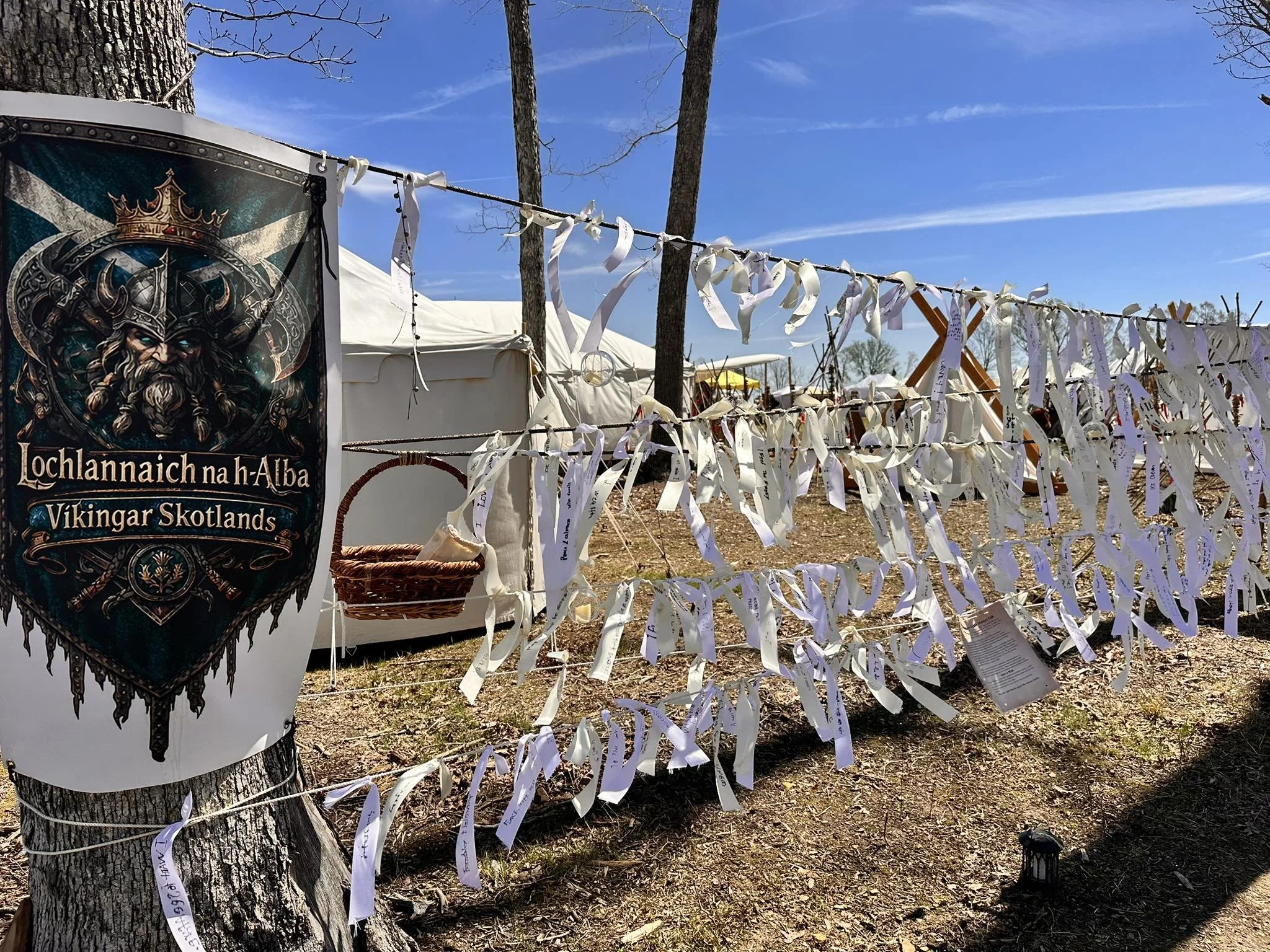
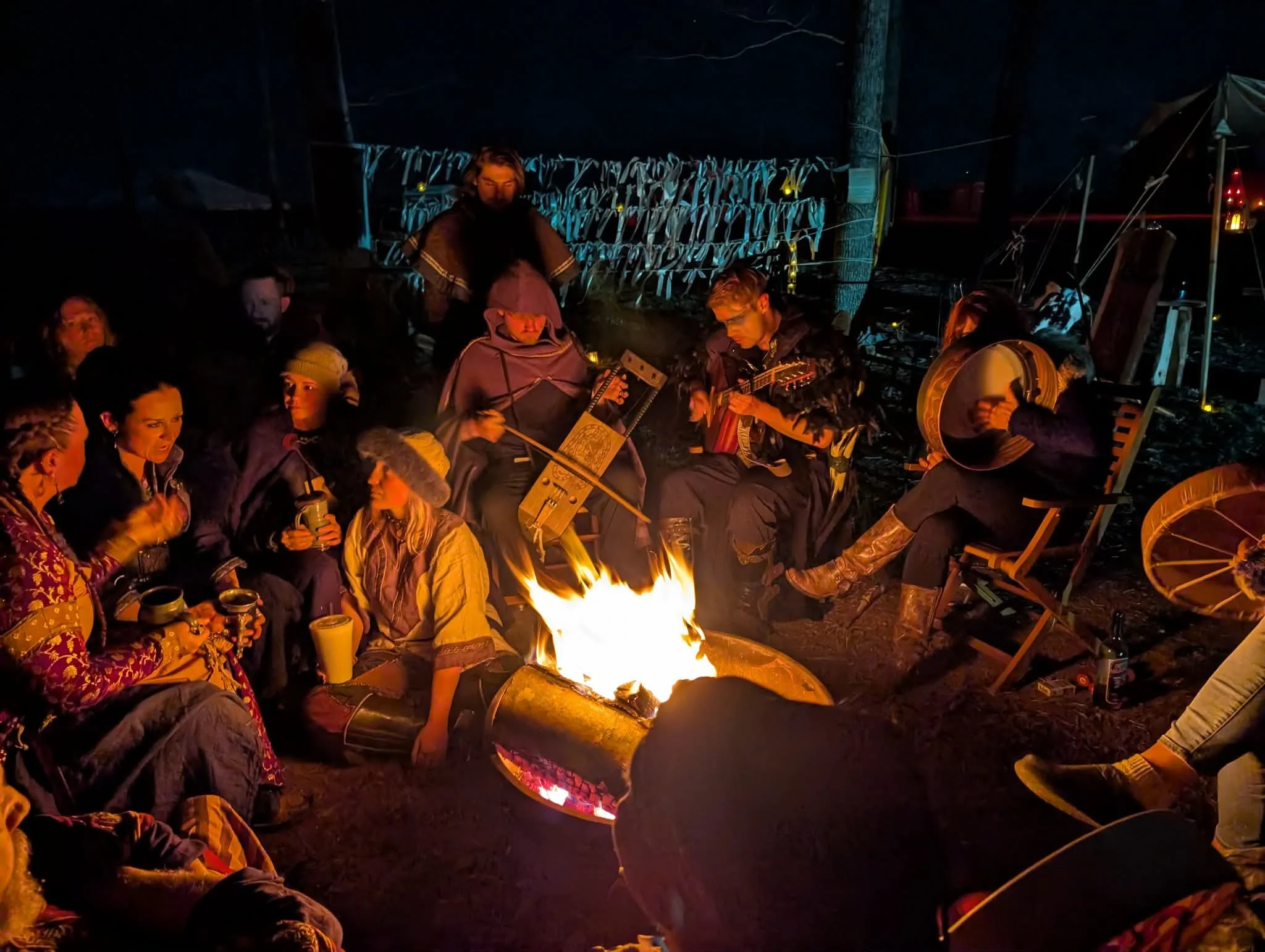
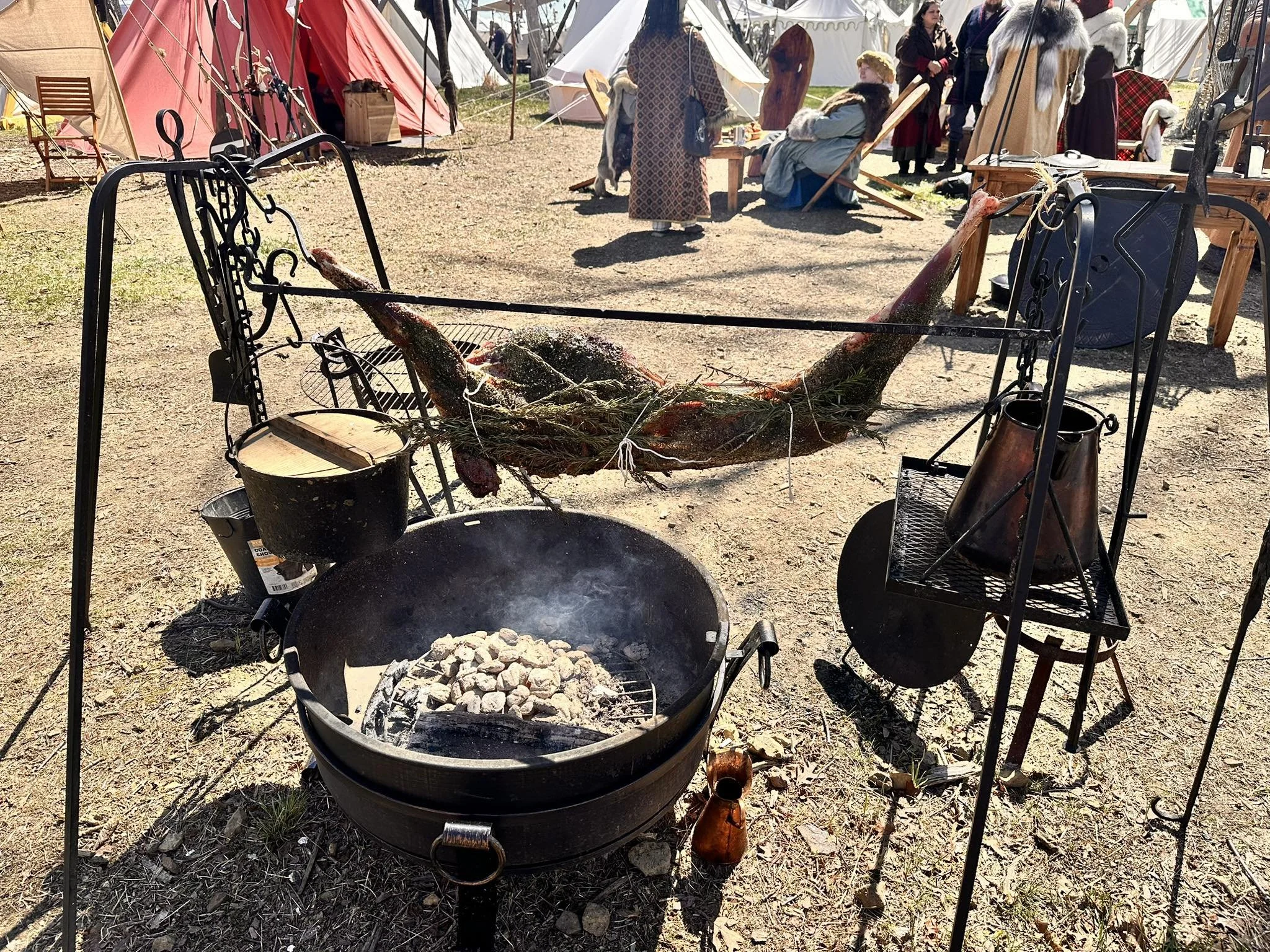
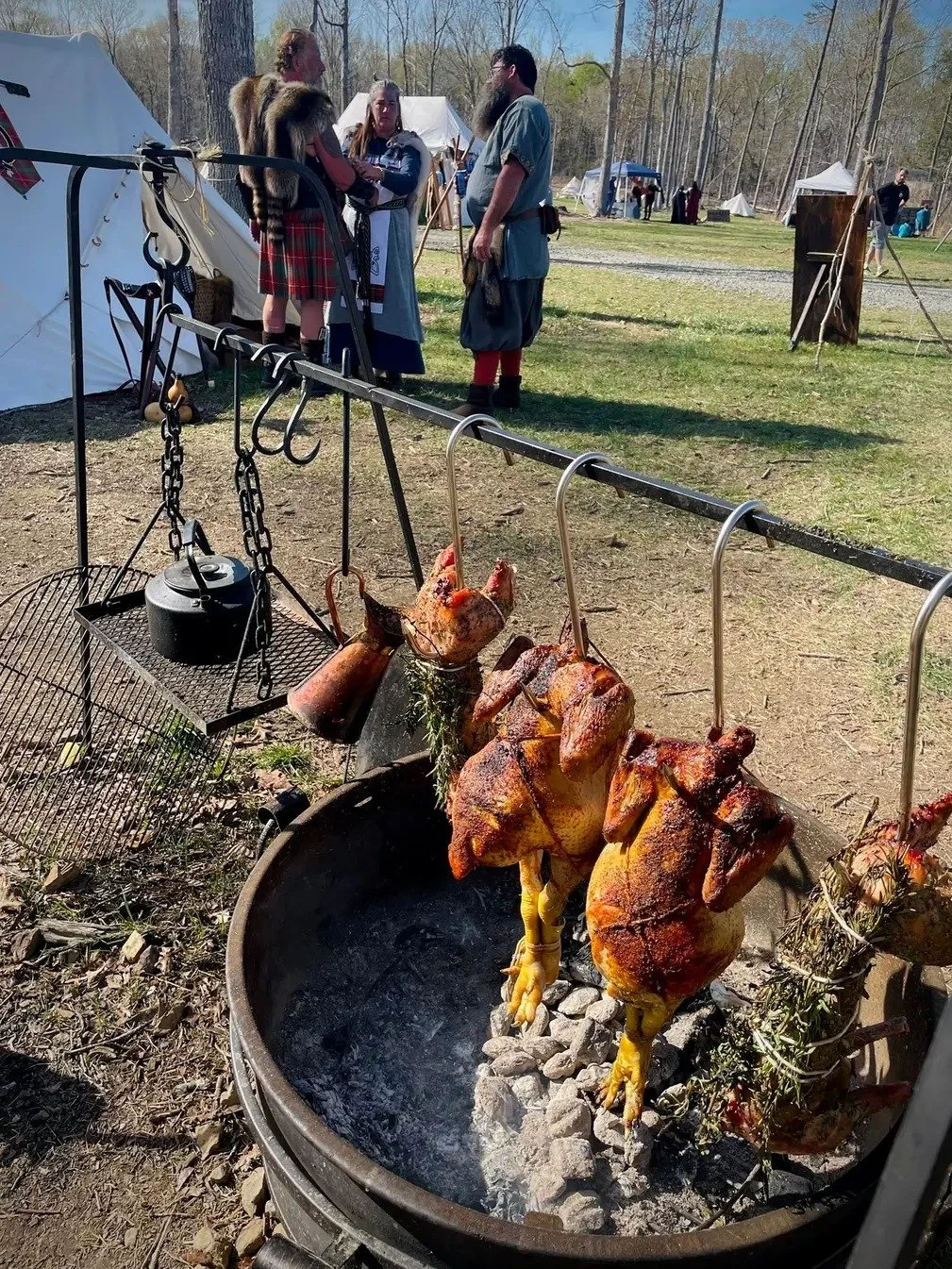
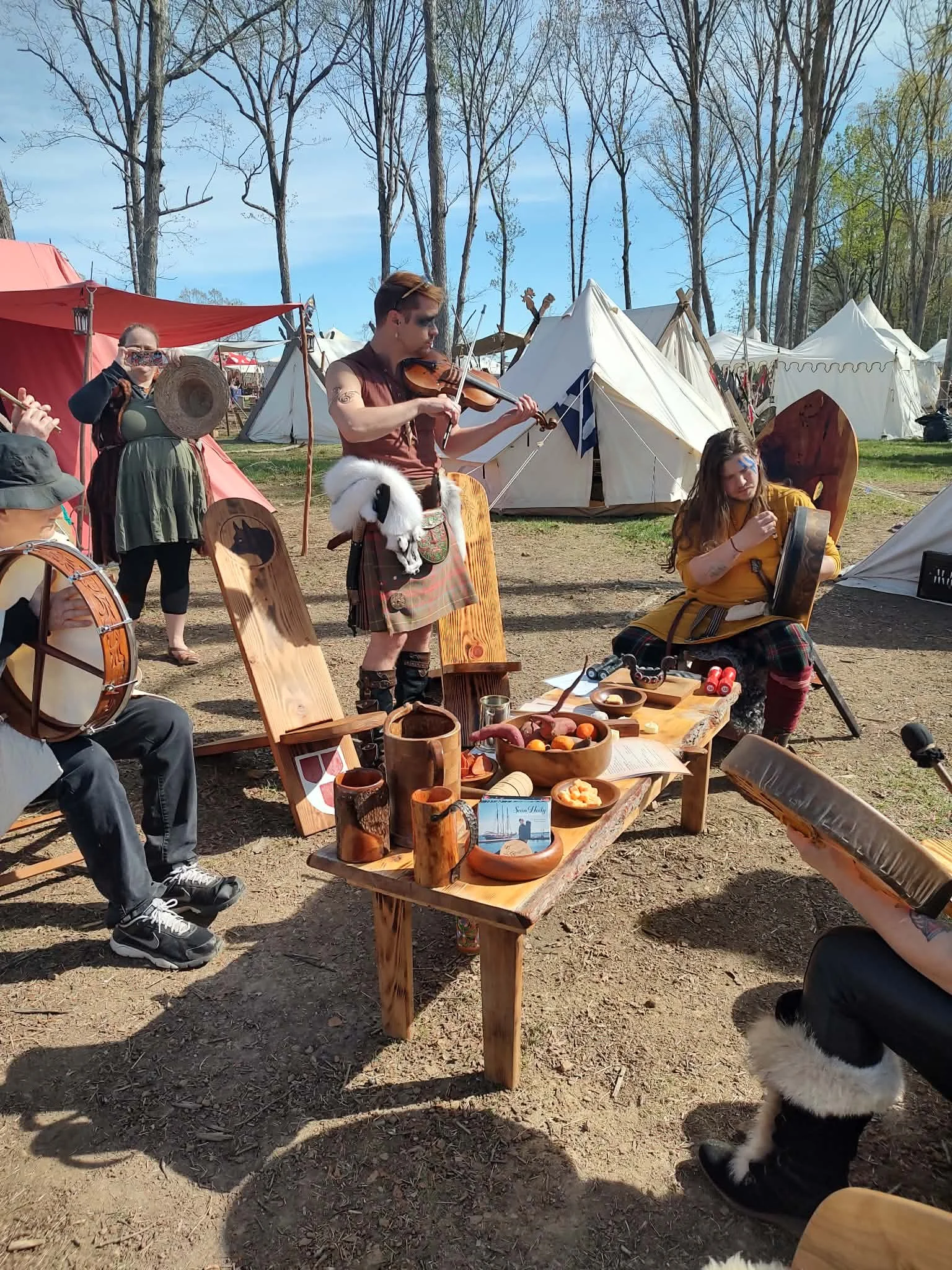
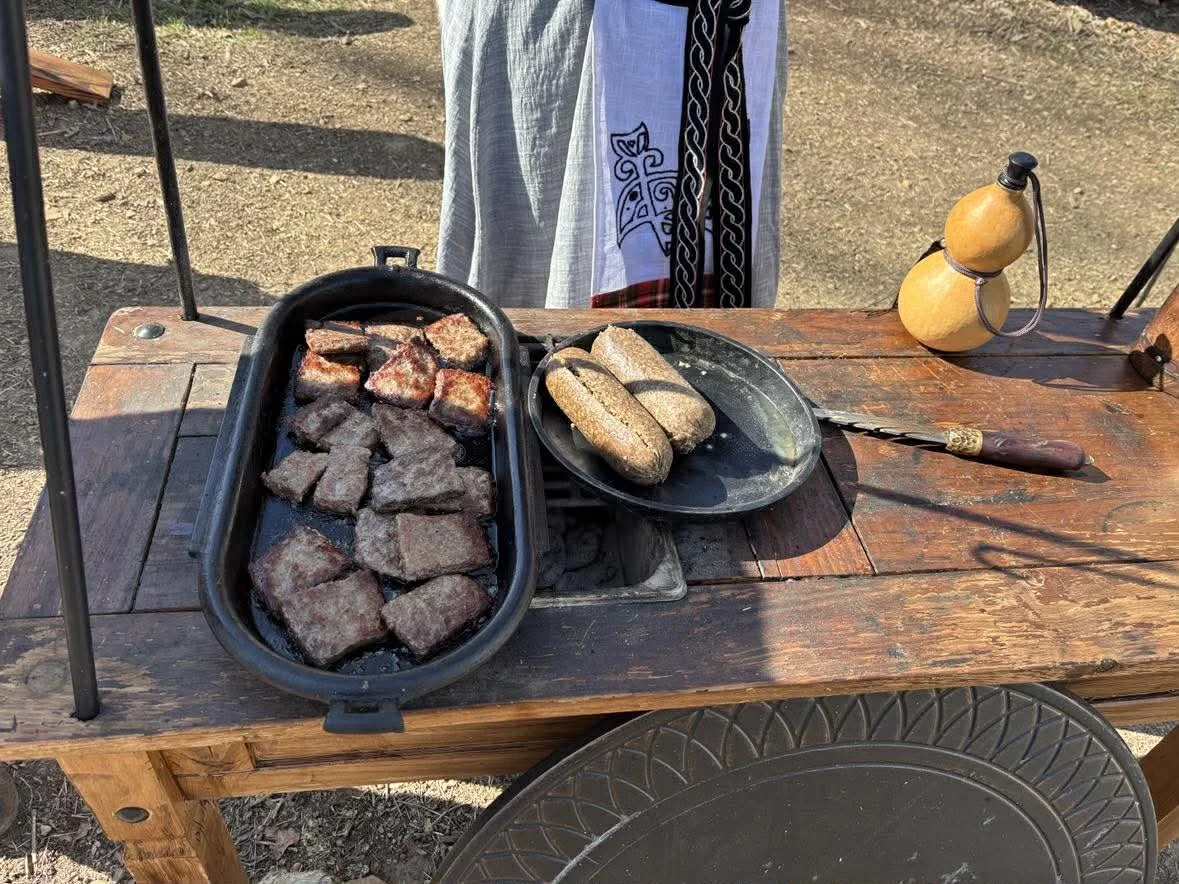
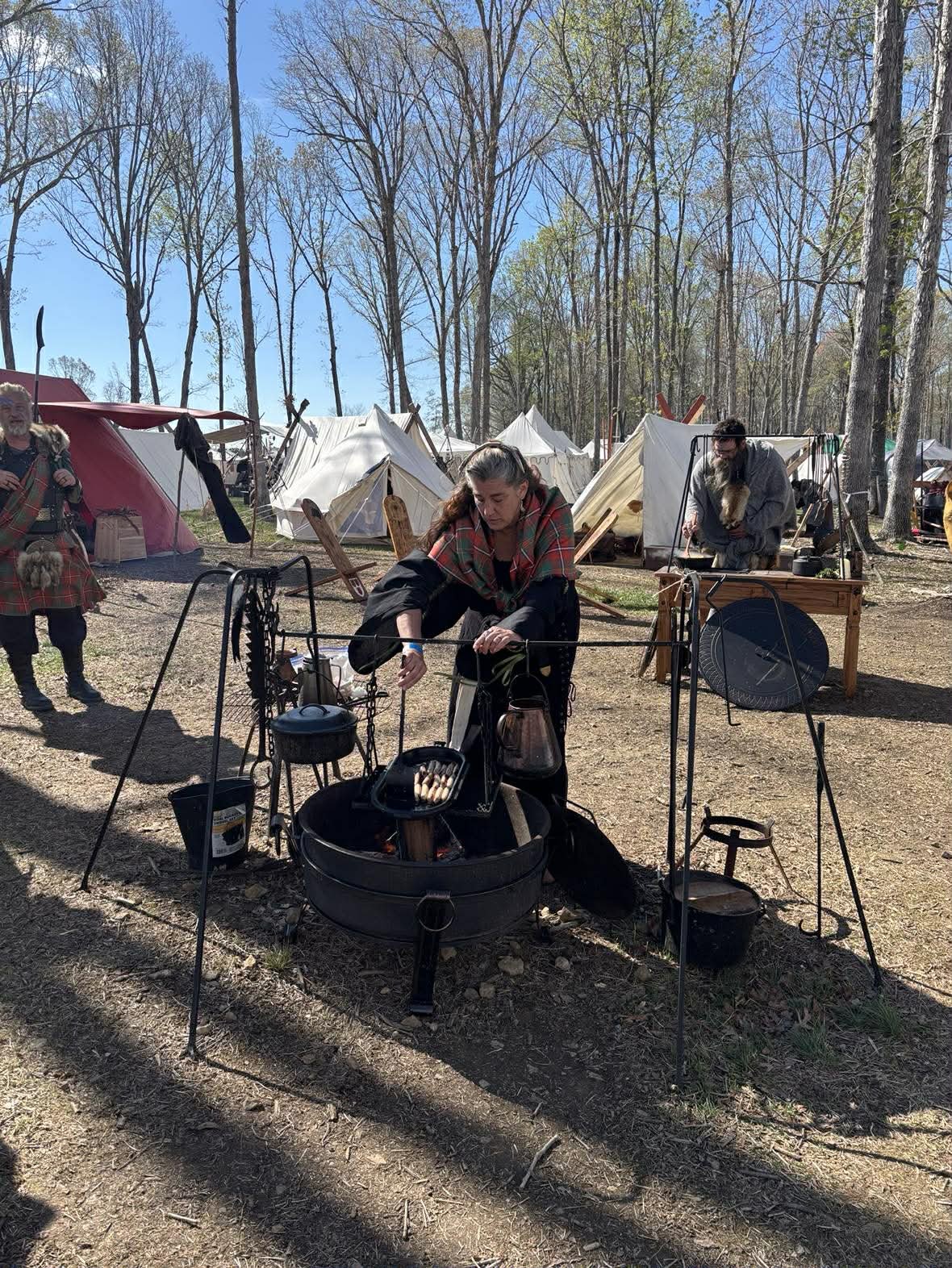
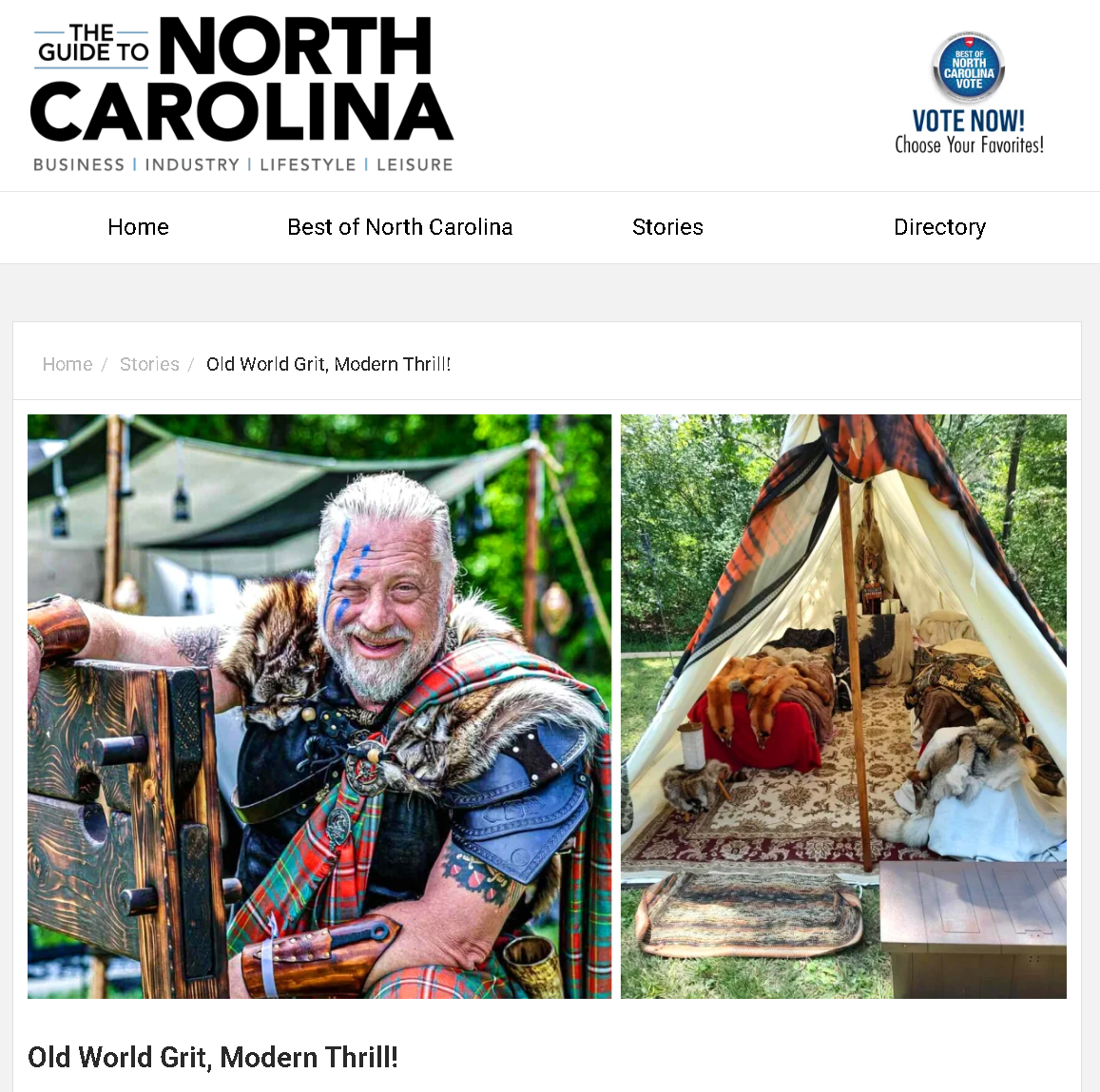
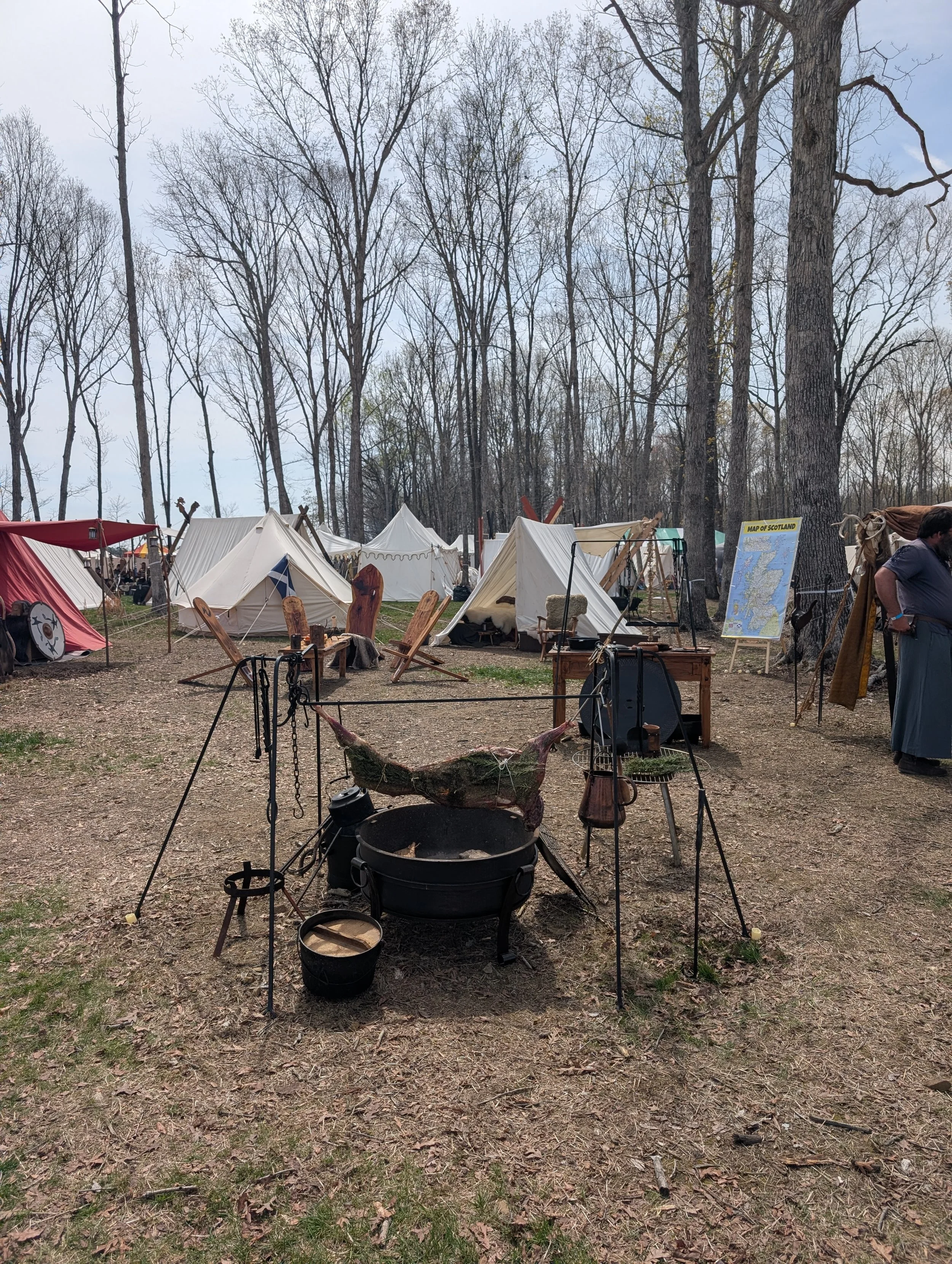
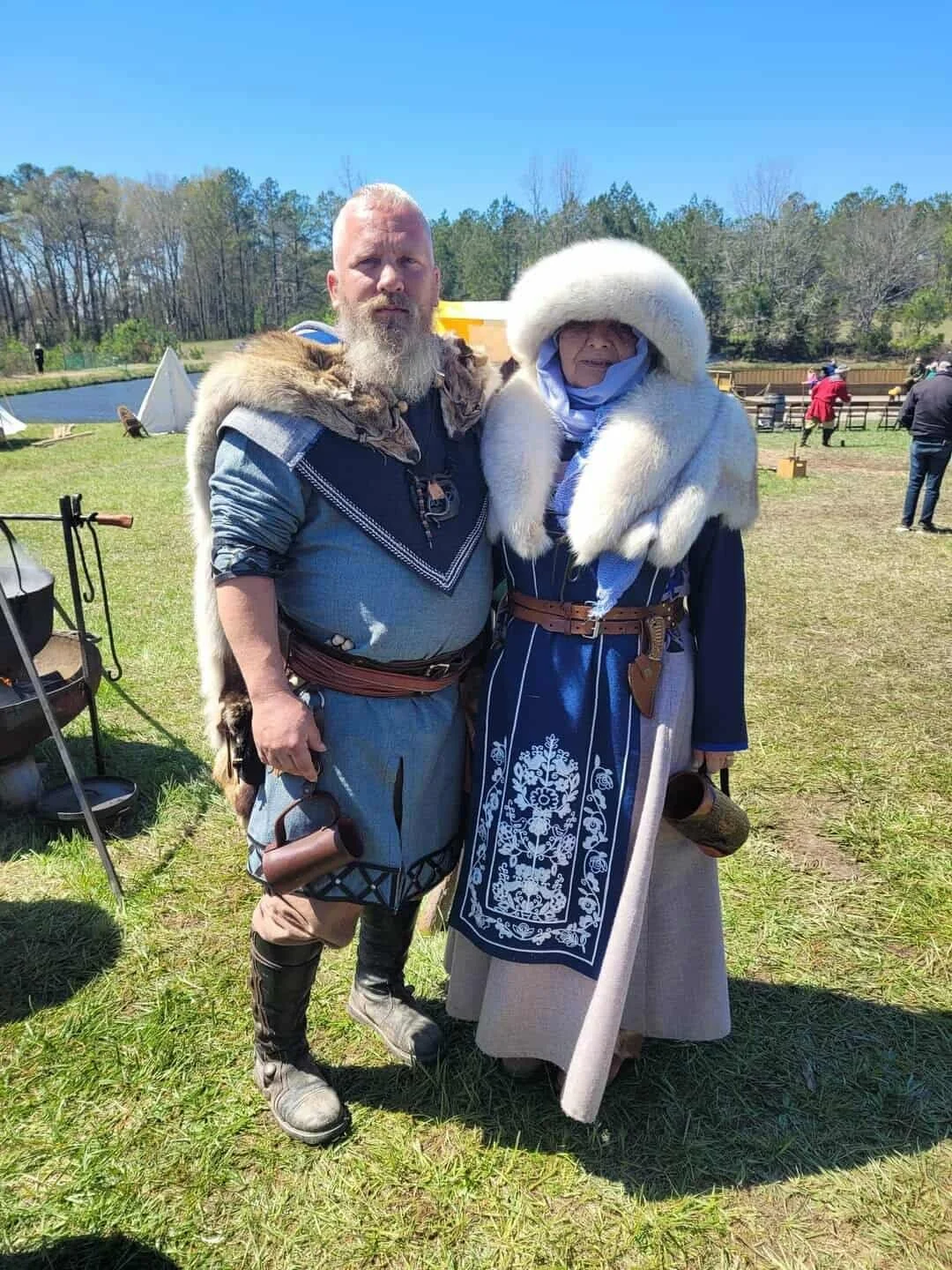
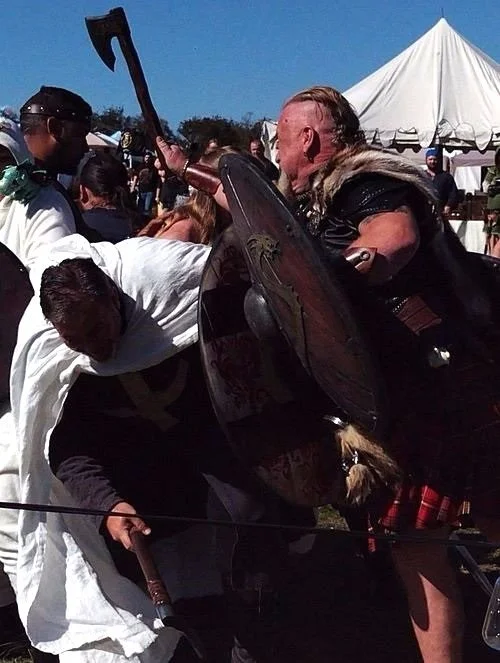
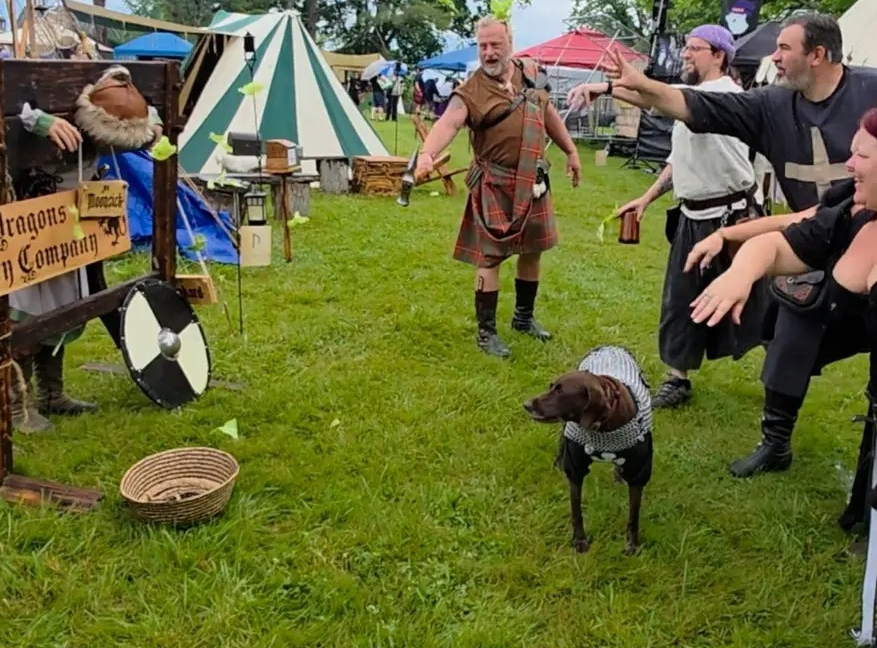
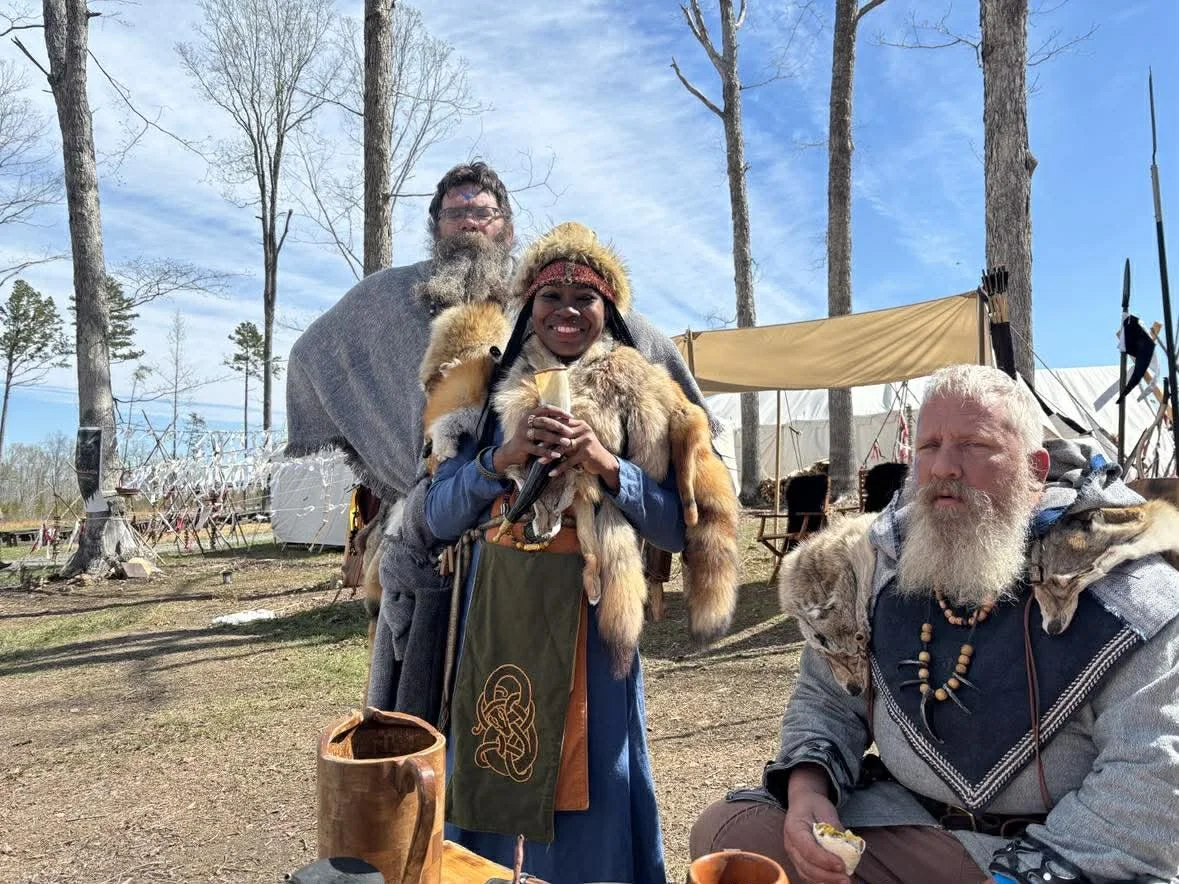
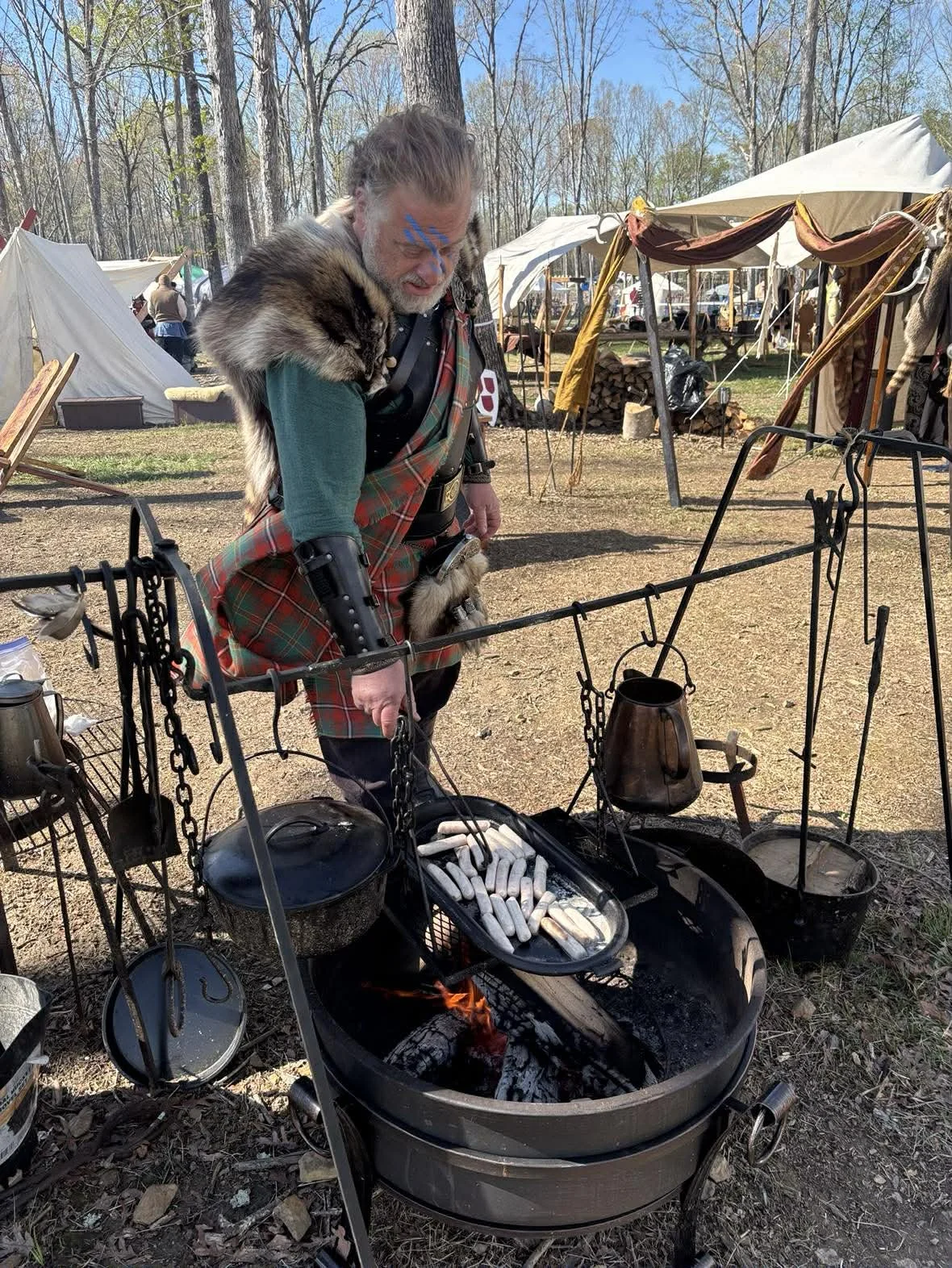
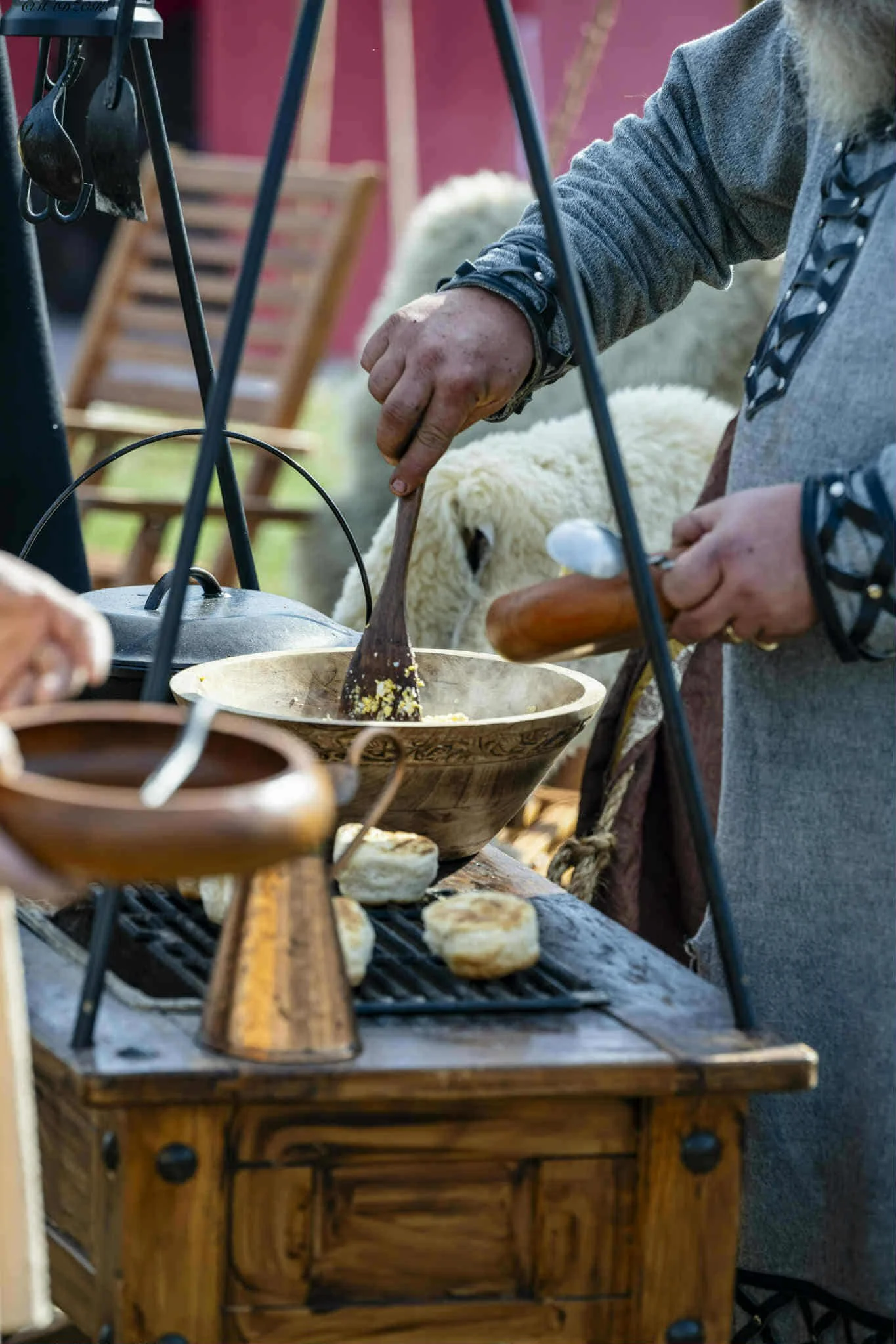
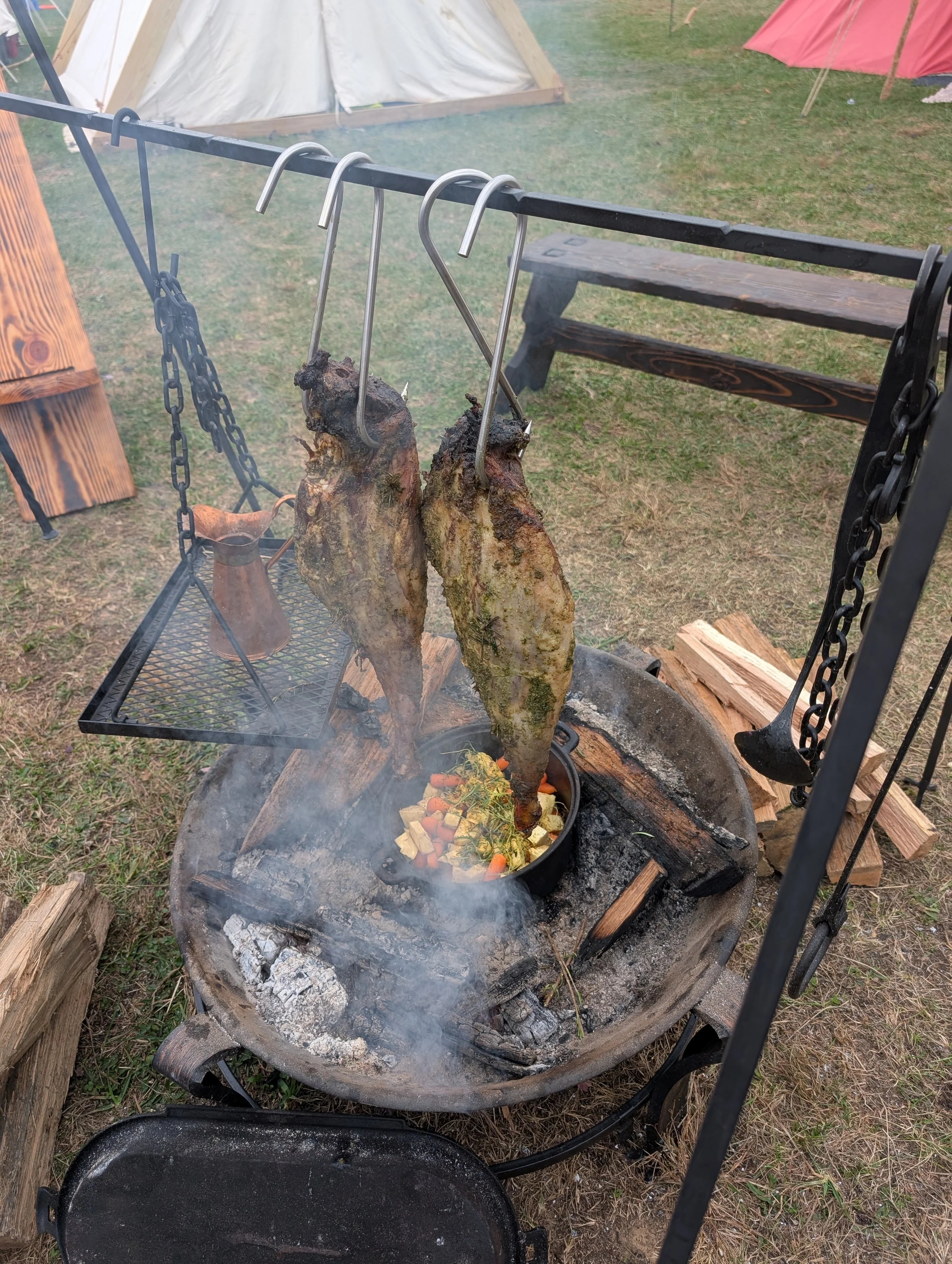
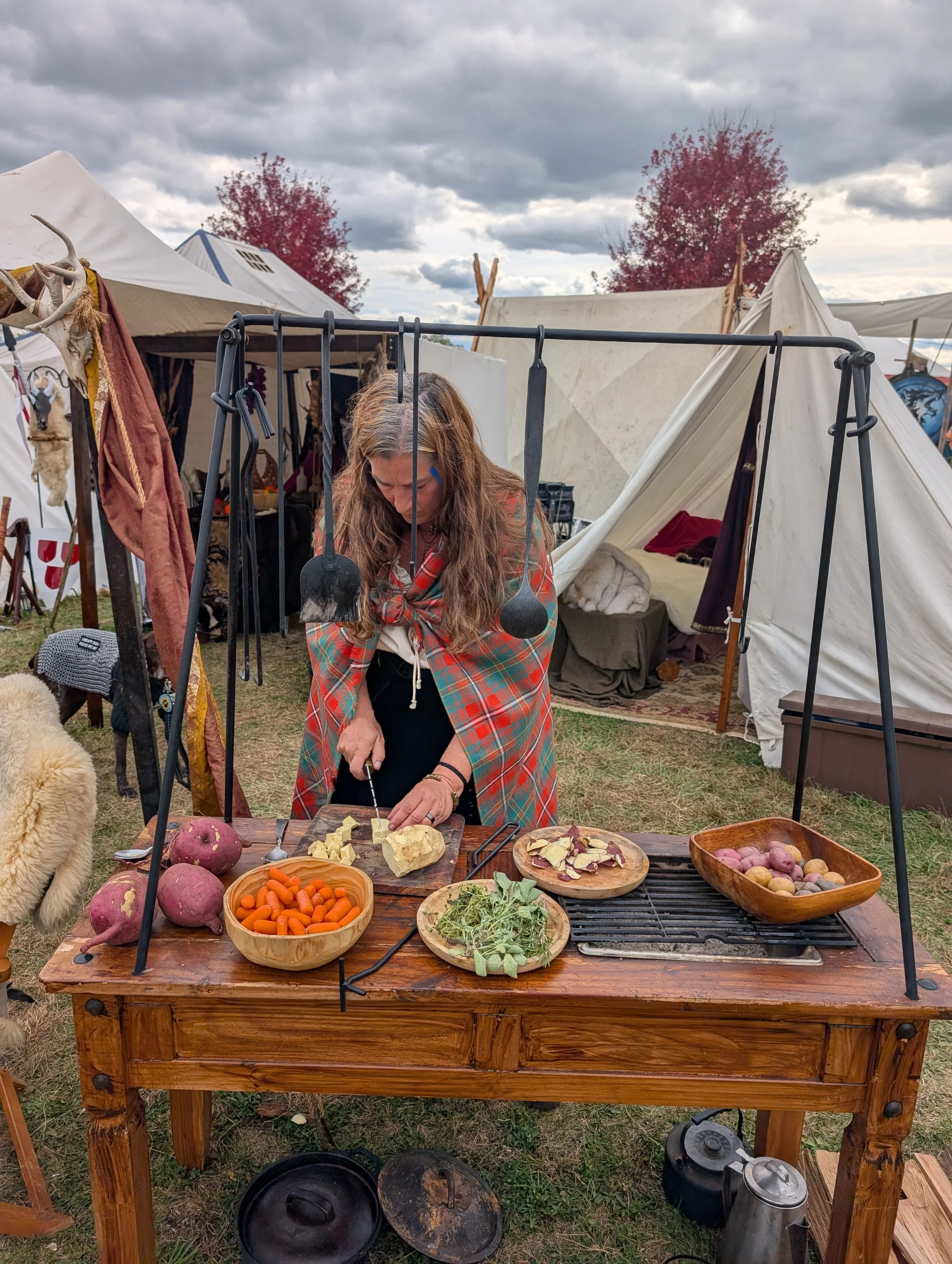
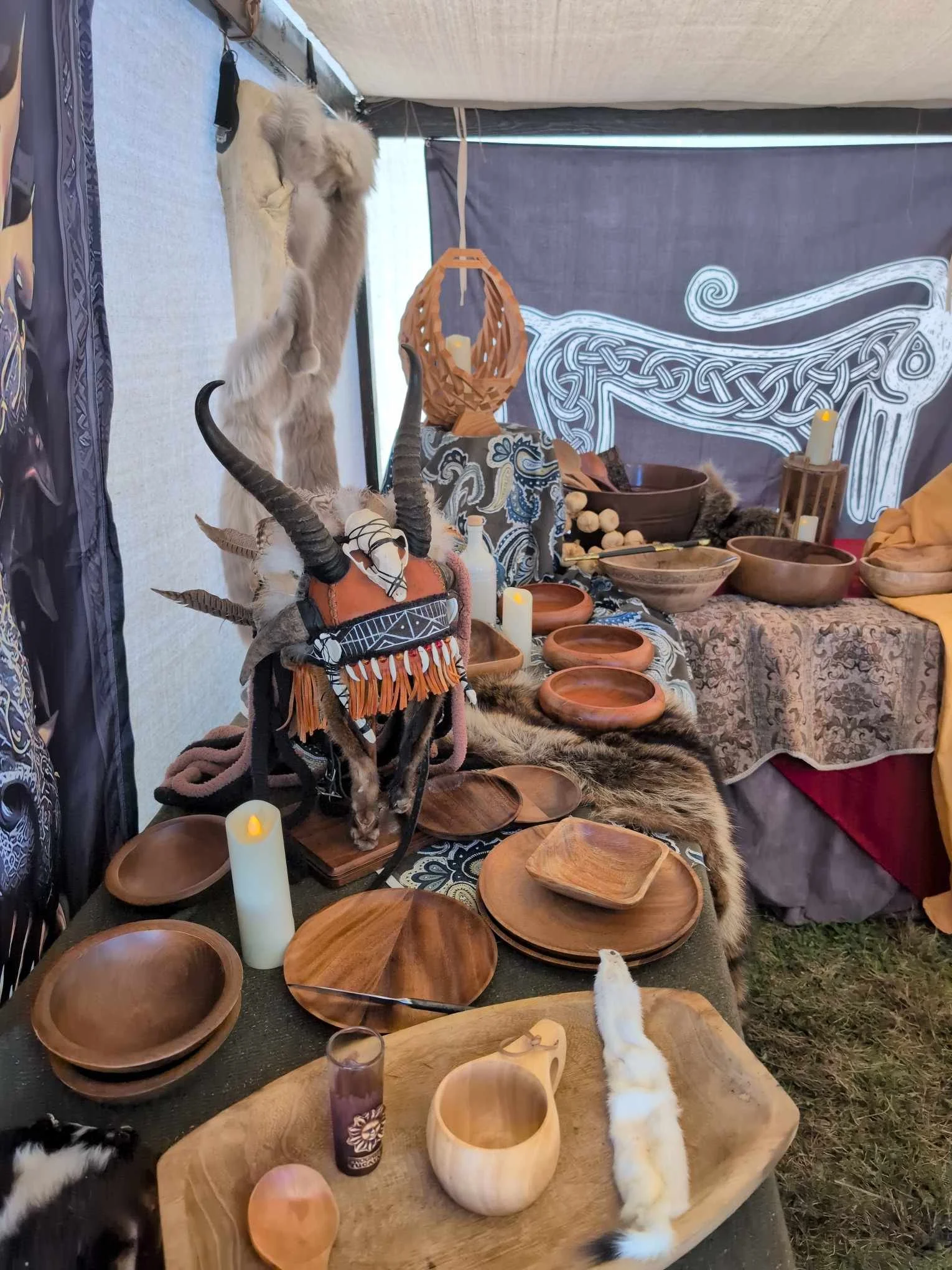
We are the Vikings of Scotland. Our mission is to depict and demonstrate traditional Pictish and Norse camp life, bringing history to life through daily activities such as cooking demonstrations, crafting, and the sharing of Pictish history and culture.
Our goal is to create a fully immersive and interactive encampment that allows visitors to experience and understand the blending of Viking and Pictish traditions, and how Norse culture became woven into the lives of the local Pictish people during the medieval period.


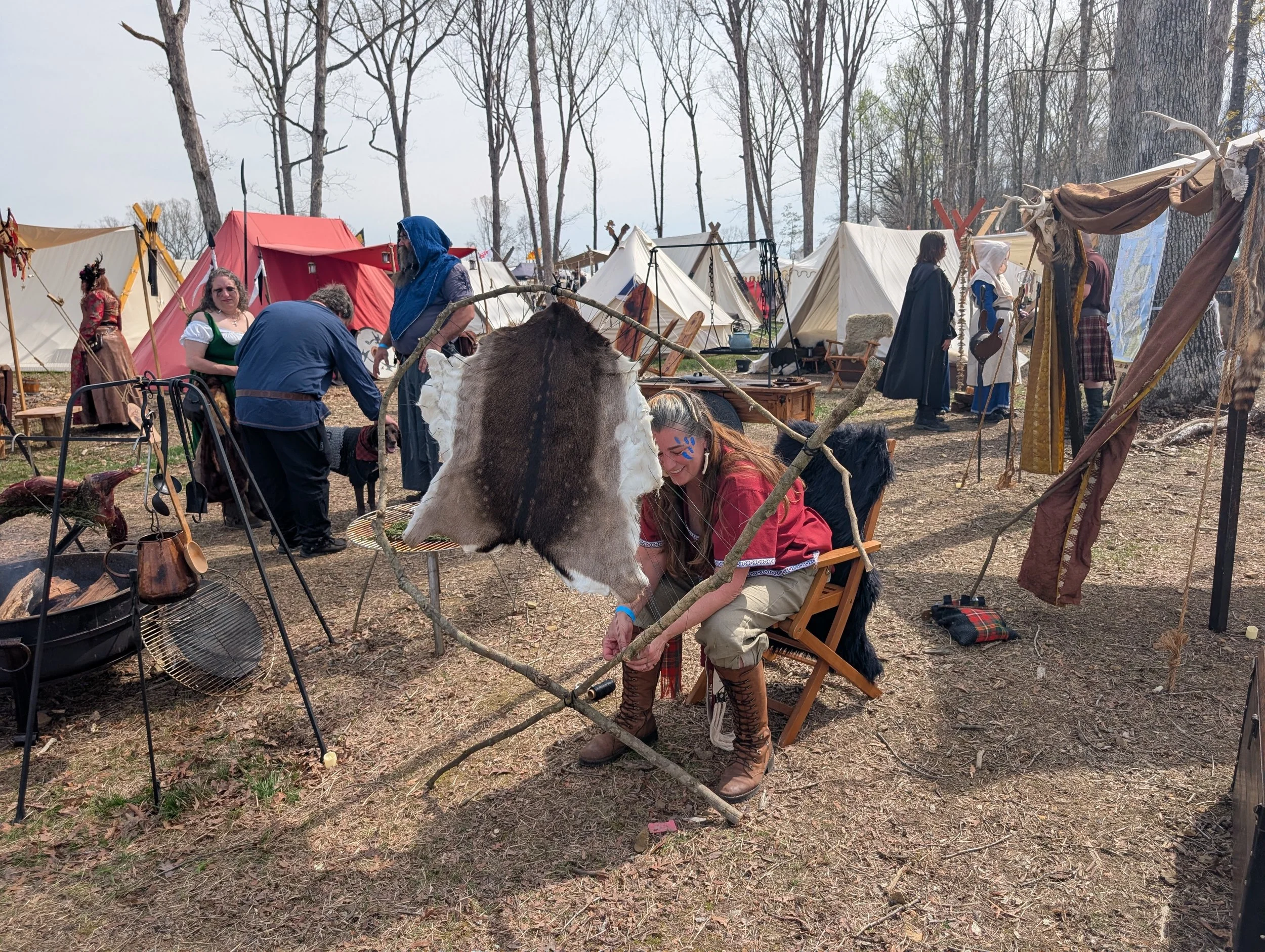
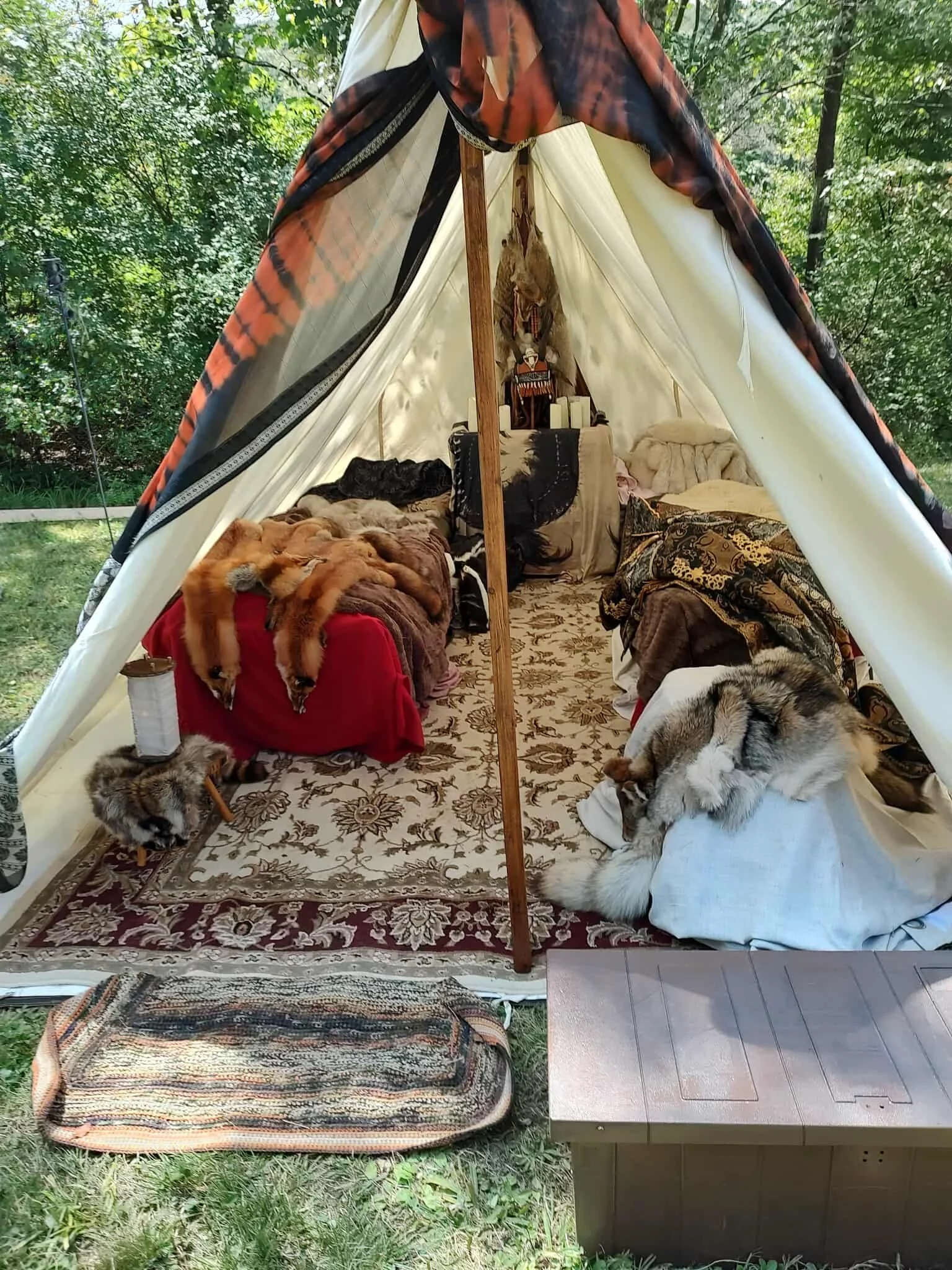
Long before the age of Outlander, the Highlands were home to the great Pictish kingdoms of the Painted People. These fierce and resilient communities, forged from native Pictish tribes and Norse settlers, stood as one of the few forces in history to hold the Romans at bay.
The Vikings of Scotland invite you to step back in time and enter our encampment, where history lives and breathes. Come stand among the Painted People and experience their world for yourself.
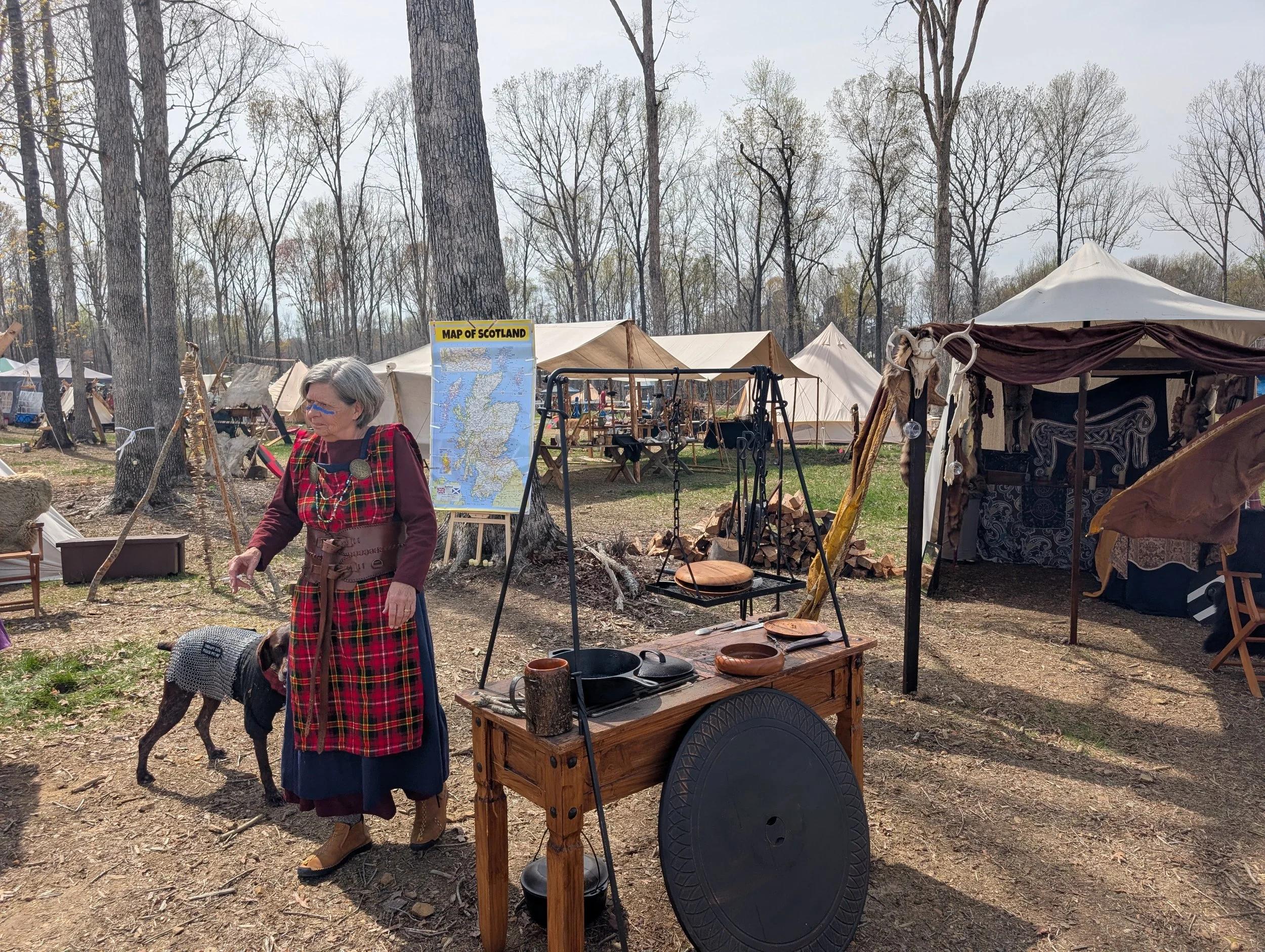
Historical Background
The Picts were the Painted People of ancient Scotland, a fierce and enduring culture that rose during the Iron Age and carried its strength into the early medieval world. From roughly the 4th to the 9th century, they ruled the Highlands and beyond, forming powerful kingdoms that resisted every force that sought to dominate them. The Romans could not conquer them. The Vikings could not break them. Nor did any foreign power ever truly claim them. The Picts endured on their own terms, unbowed and unconquered.
In time, their identity did not vanish through defeat, but evolved, merging into what would become the Kingdom of Scotland in the 9th century. Their blood, their traditions, and their spirit carried forward, woven into the very foundation of the Scottish people.
When the Norse arrived from the 8th century onward, they came first as raiders, then as settlers, carving out lives in the Northern and Western Isles and along the mainland. Yet even they did not conquer the Picts. Instead, they became part of the land, blending with the people through trade, marriage, and shared survival. Their influence remains to this day in the names of places and the culture of regions such as Orkney, Shetland, and the Hebrides.
Even the later tides of history tell the same tale. William the Conqueror, himself descended from Viking blood through the chieftain Rollo, extended his reach into Scotland in 1072. Though he forced a temporary submission from King Malcolm III, Scotland was never conquered. The land and its people remained their own, as they always had.
The Vikings of Scotland draw upon this deep and unbroken heritage, honoring the strength of the Picts and the legacy of those who came after. Spanning centuries from the early tribal kingdoms through the age of Norse settlement and beyond, we bring to life a world shaped not by conquest, but by resilience, identity, and the enduring spirit of a people who were never truly defeated.
Lang may yer lum reek !
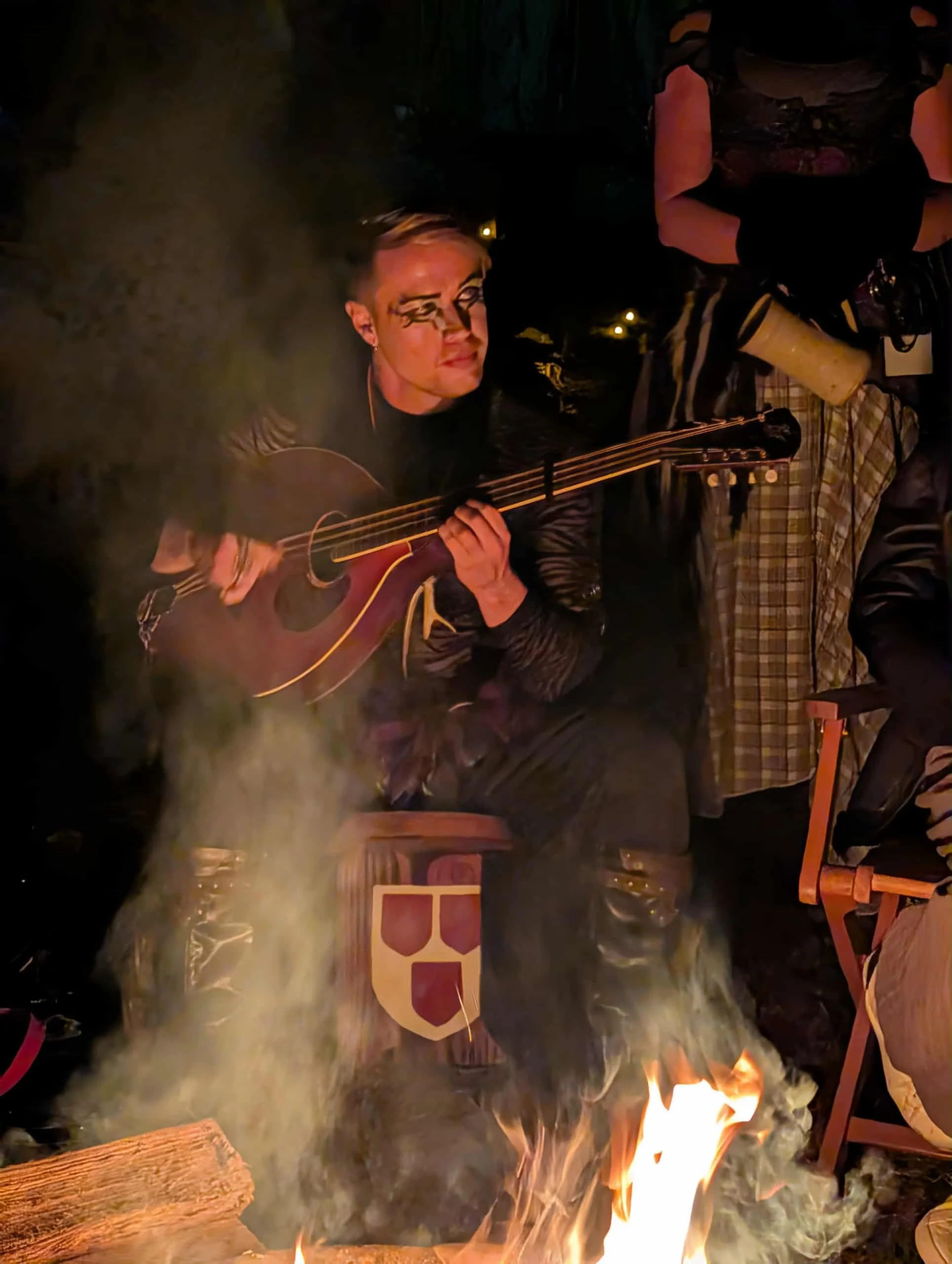

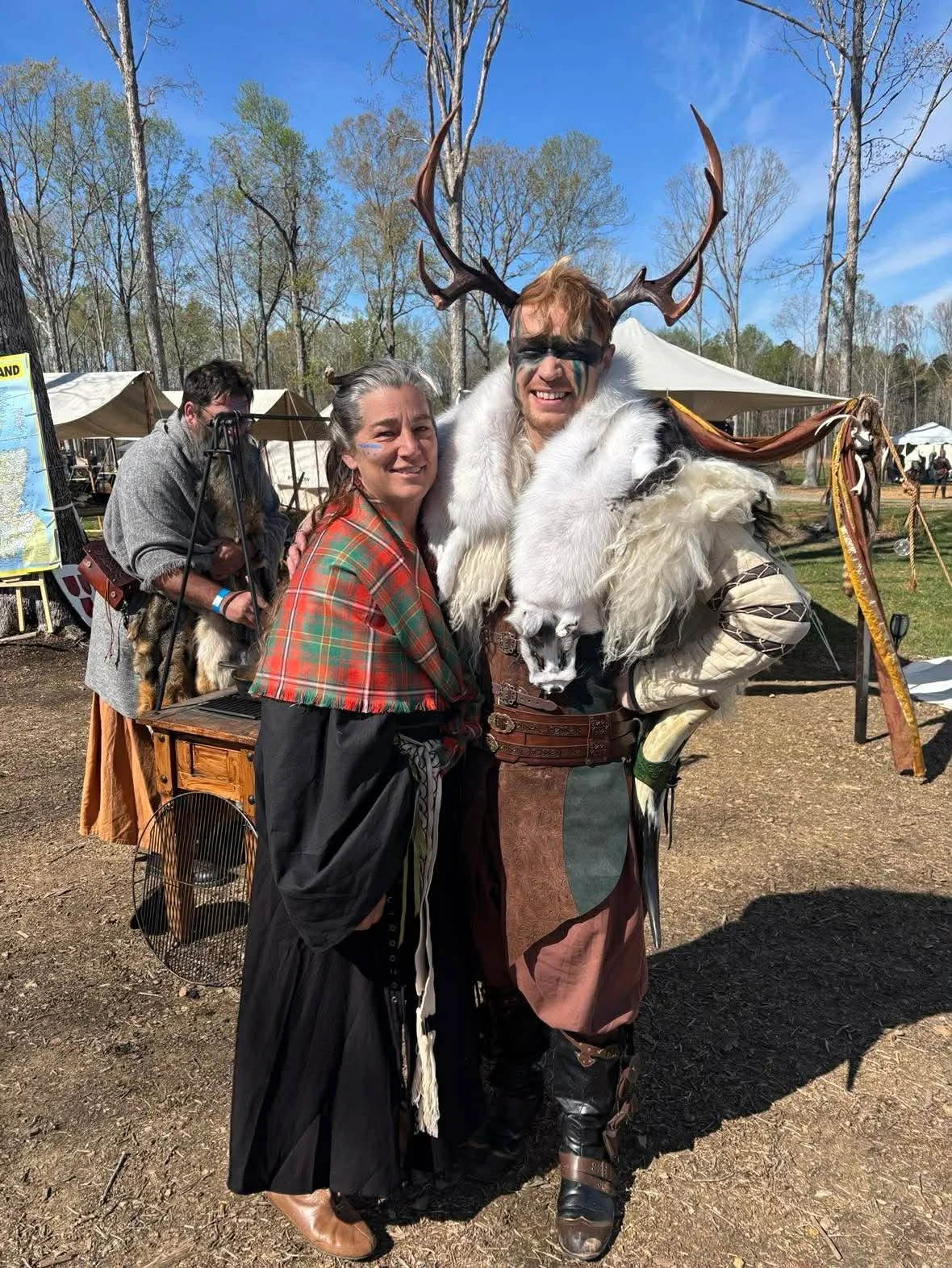
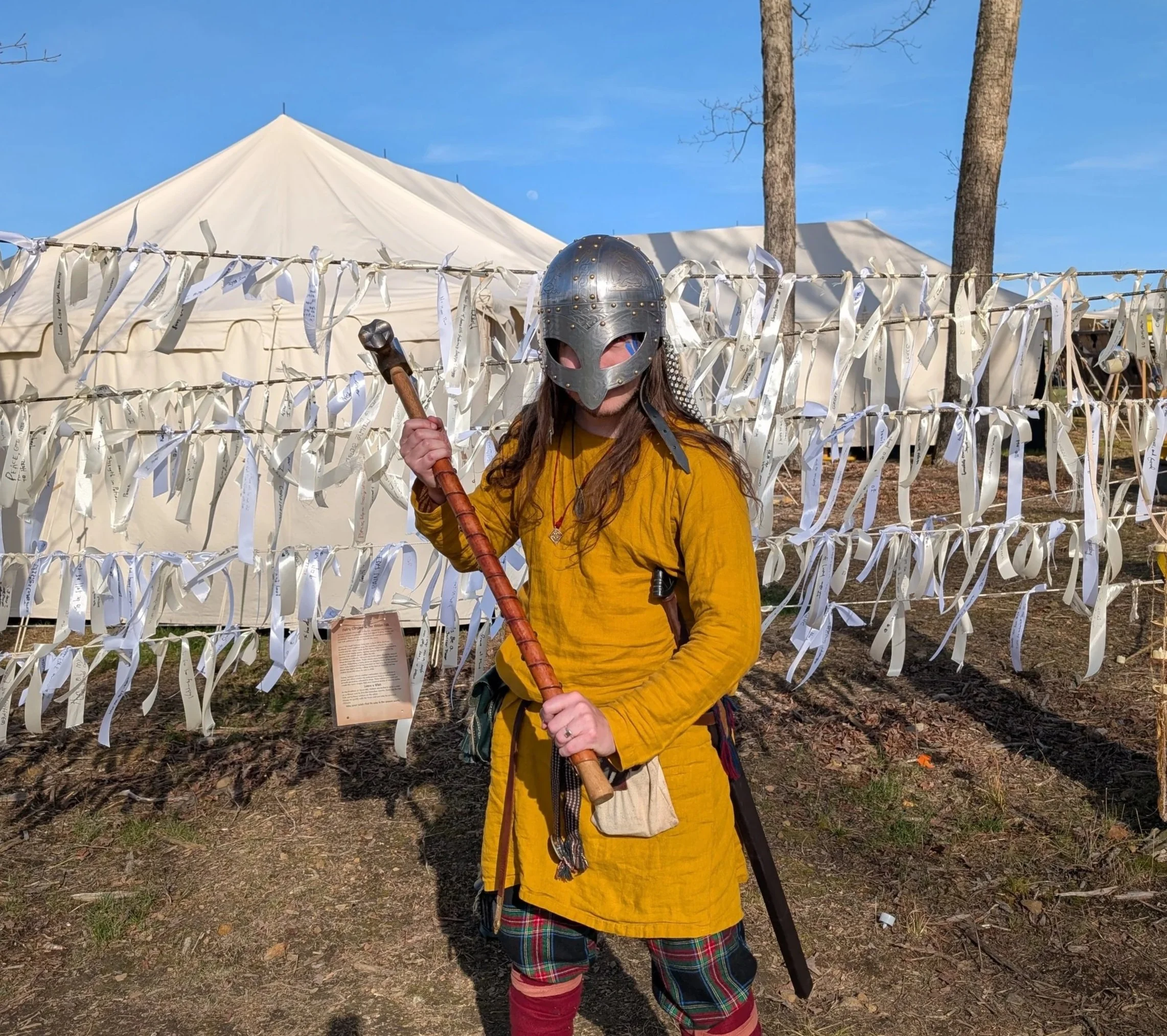

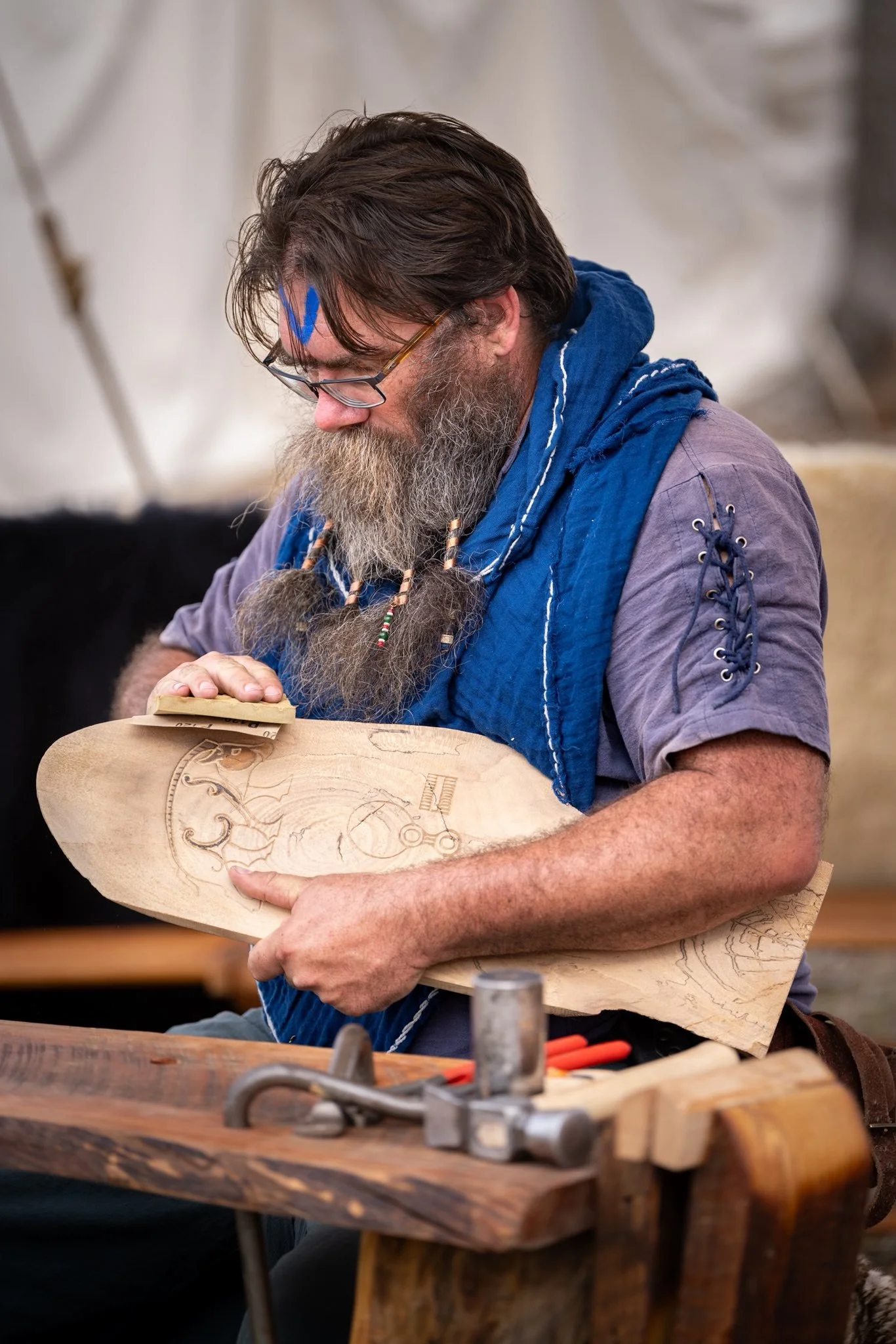
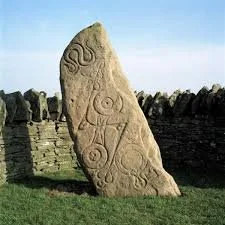
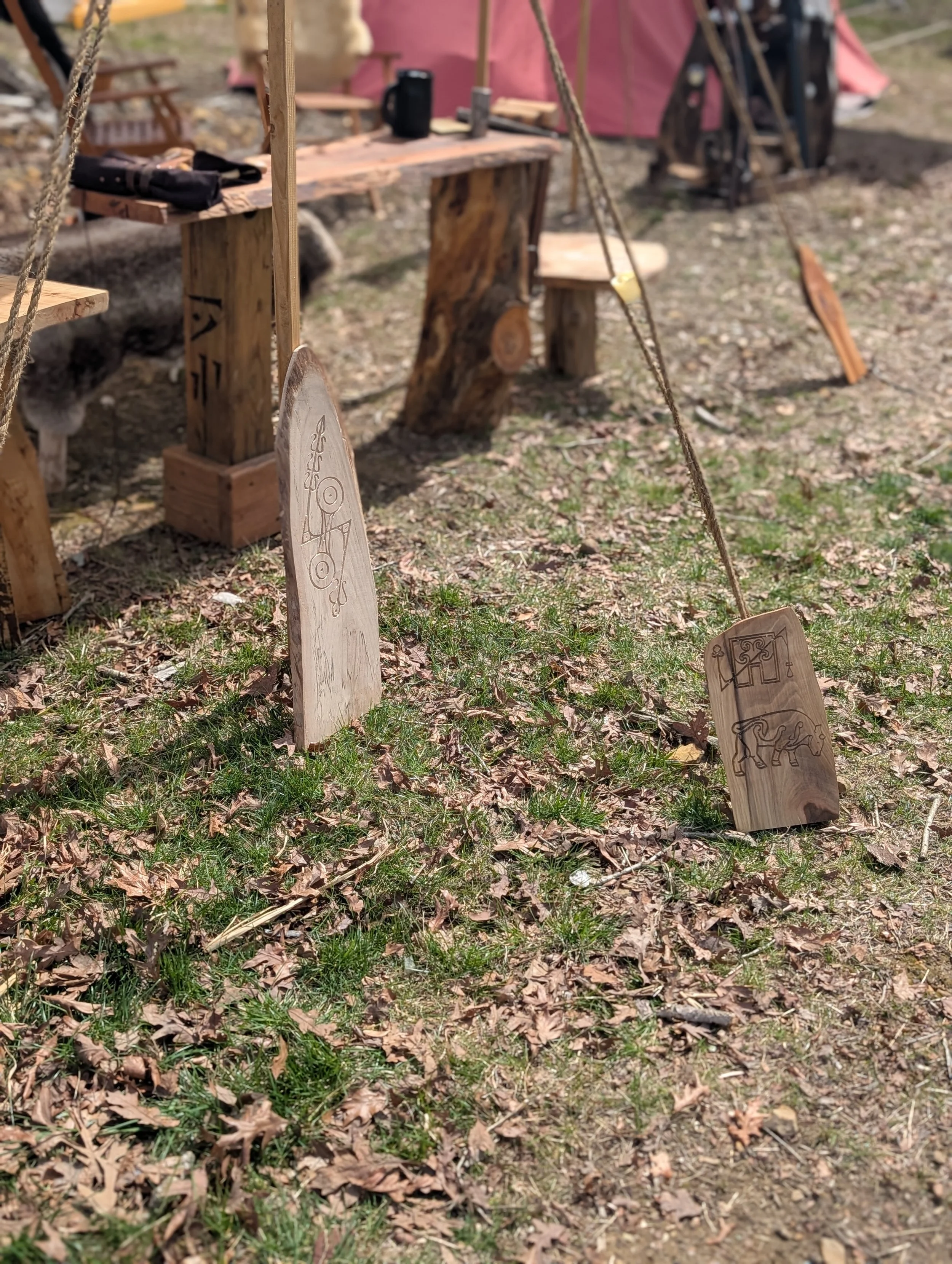
Pictish stonework stands among the most distinctive and mysterious artistic traditions of early medieval Britain. Particularly across what is now eastern and northern Scotland. Created roughly between the 6th and 9th centuries, these carved standing stones served as markers of identity, belief, and status for the Pictish people. They were typically fashioned from local stone and placed in prominent landscapes—near settlements, along travel routes, or at important ceremonial sites. suggesting they played both social and spiritual roles within Pictish culture.
The most recognizable feature of Pictish stones is their intricate symbolic carvings. These symbols—such as crescents, double discs, Z-rods, animals, and abstract geometric forms—remain only partially understood today. Rather than simple decoration, they likely represented names, kinship groups, territories, or mythological concepts. Later stones, known as “Class II” stones, show a blending of native Pictish symbolism with Christian imagery, including detailed crosses, biblical scenes, and interlaced knotwork, reflecting the gradual conversion of the Picts to Christianity.
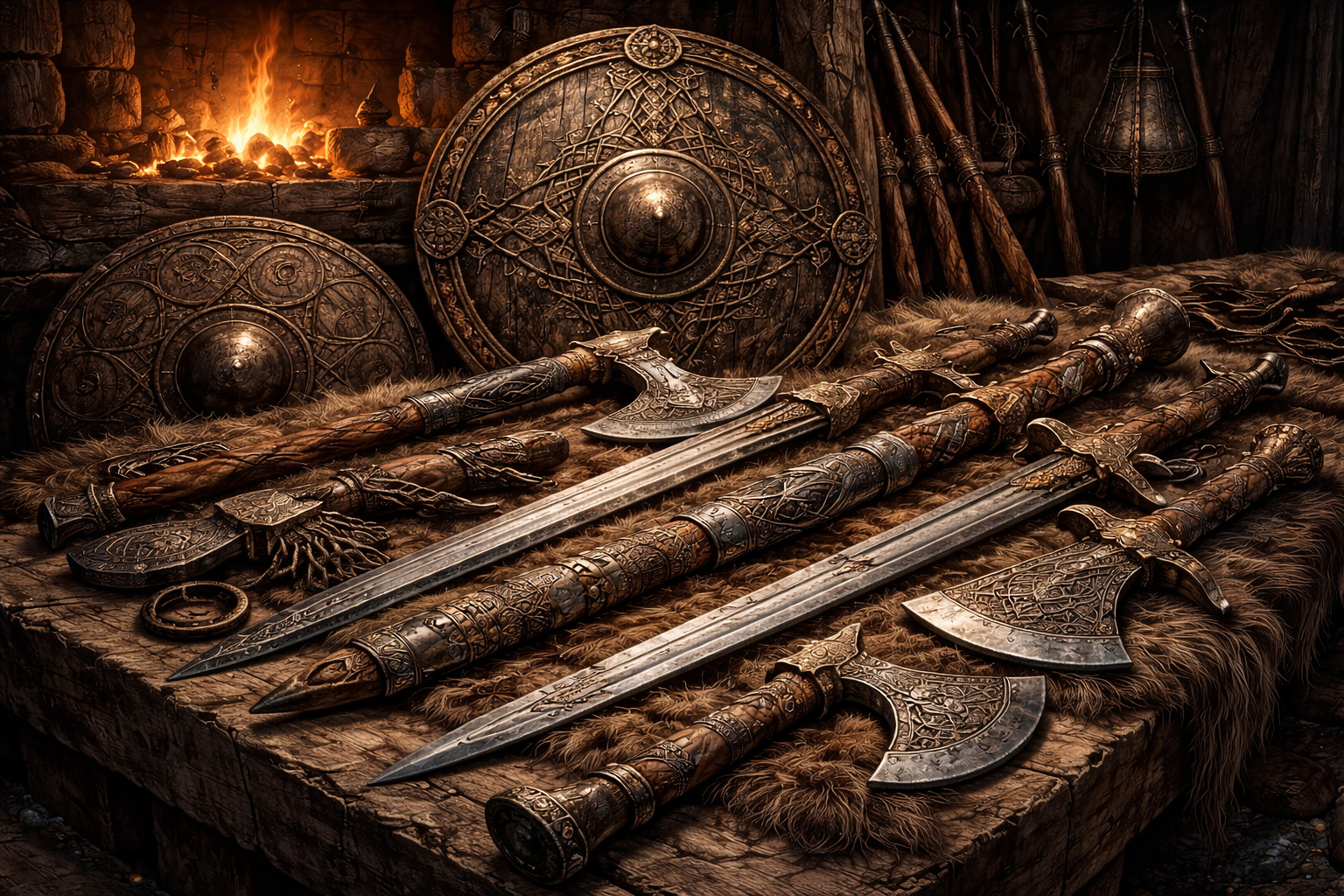
Pictish metalwork, though less commonly preserved than stone, reveals an equally sophisticated level of craftsmanship. Surviving examples—such as silver chains, brooches, and weapon fittings—display fine engraving, interlace patterns, and stylized animal forms that closely mirror the motifs found on the stones. These items were often made from precious metals and likely signified rank or authority, worn by elites or used in ceremonial contexts. The precision and artistry suggest skilled metalworkers who were deeply connected to the symbolic language expressed in stone.
Together, Pictish stone carving and metalwork form a unified artistic tradition that emphasizes symbolism, identity, and continuity. The stones endure as monumental records etched into the land itself, while the metalwork—portable and personal—carried the same visual language into daily and ceremonial life. Despite the many mysteries that remain, these works offer a powerful glimpse into a culture that valued craftsmanship, meaning, and the enduring connection between people, place, and story.
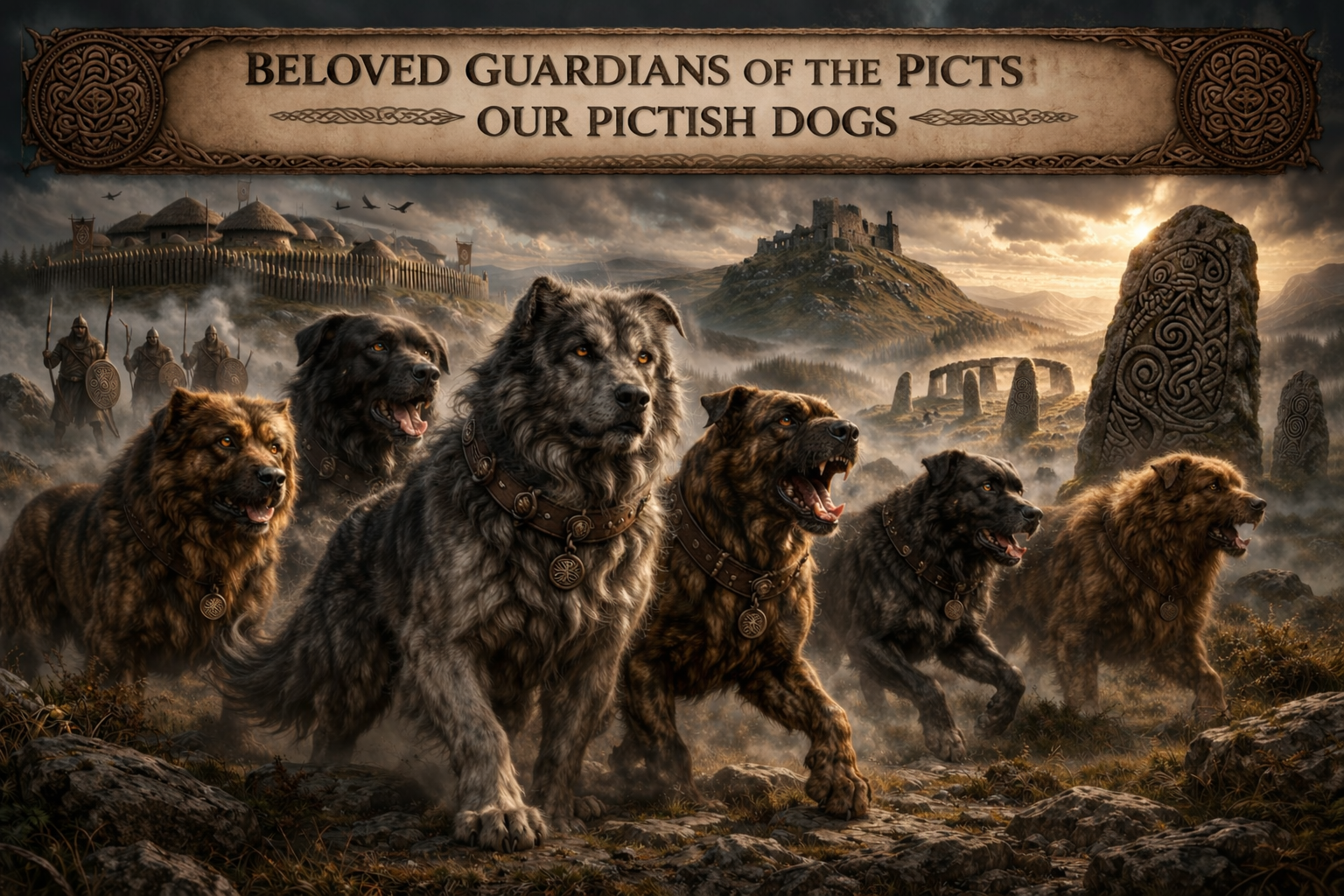
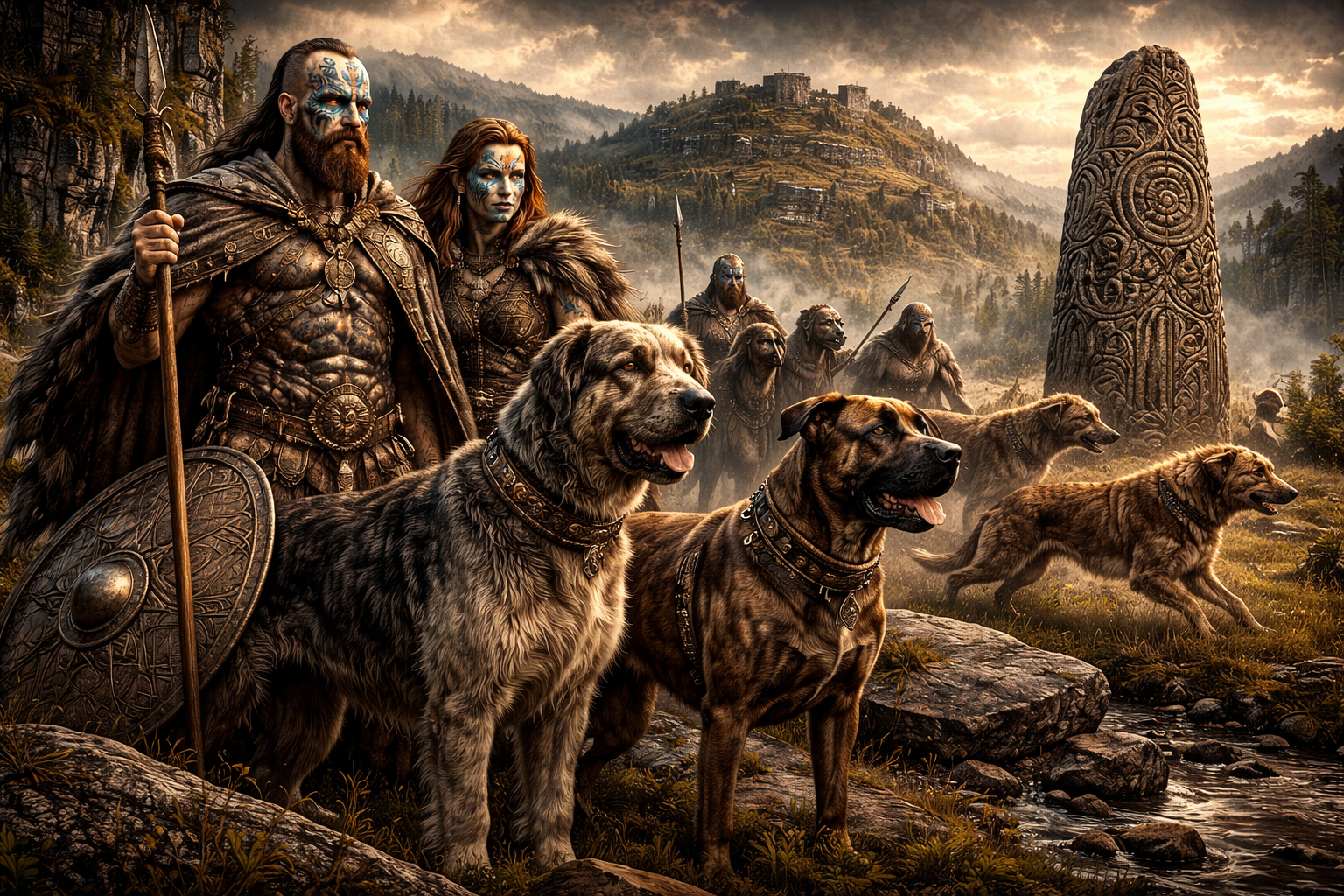
Dogs held a place of real importance in Pictish life, woven into both daily survival and elite identity. Carved stones frequently depict dogs in hunting scenes, running alongside riders, driving deer, or working in coordinated pursuit showing just how central they were to subsistence and status. Hunting was not only a means of providing food, but also a display of skill and authority, and well trained dogs would have been essential partners in that effort. Their repeated appearance in stone carvings suggests they were valued not merely as tools, but as respected companions tied to prestige and livelihood.
Beyond their practical use, dogs also carried symbolic meaning within Pictish culture. On certain stones, such as those featuring defensive or “biting” dogs encircling a cross, they may represent protection, loyalty, or even a spiritual guardianship. The recurring depiction of powerful canine forms sometimes interpreted as wolves, points to a cultural respect for their strength, instincts, and role as hunters. These images blur the line between the natural and symbolic worlds, suggesting that dogs embodied qualities the Picts admired and perhaps sought to invoke.
In warfare and defense, while direct written records are limited, strong parallels with neighboring cultures offer insight. Like other Celtic and early medieval societies, the Picts likely used large, formidable dogs for guarding settlements and acting as early warning systems around hillforts and camps. There is also the possibility, supported by historical comparison, that dogs were used in the aftermath of battle to track fleeing enemies, or even to disrupt and intimidate opposing forces. Whether in the hunt, at the hearth, or on the edges of conflict, dogs were almost certainly trusted allies, valued for their senses, loyalty, and ability to amplify human capability in a rugged and often dangerous world.
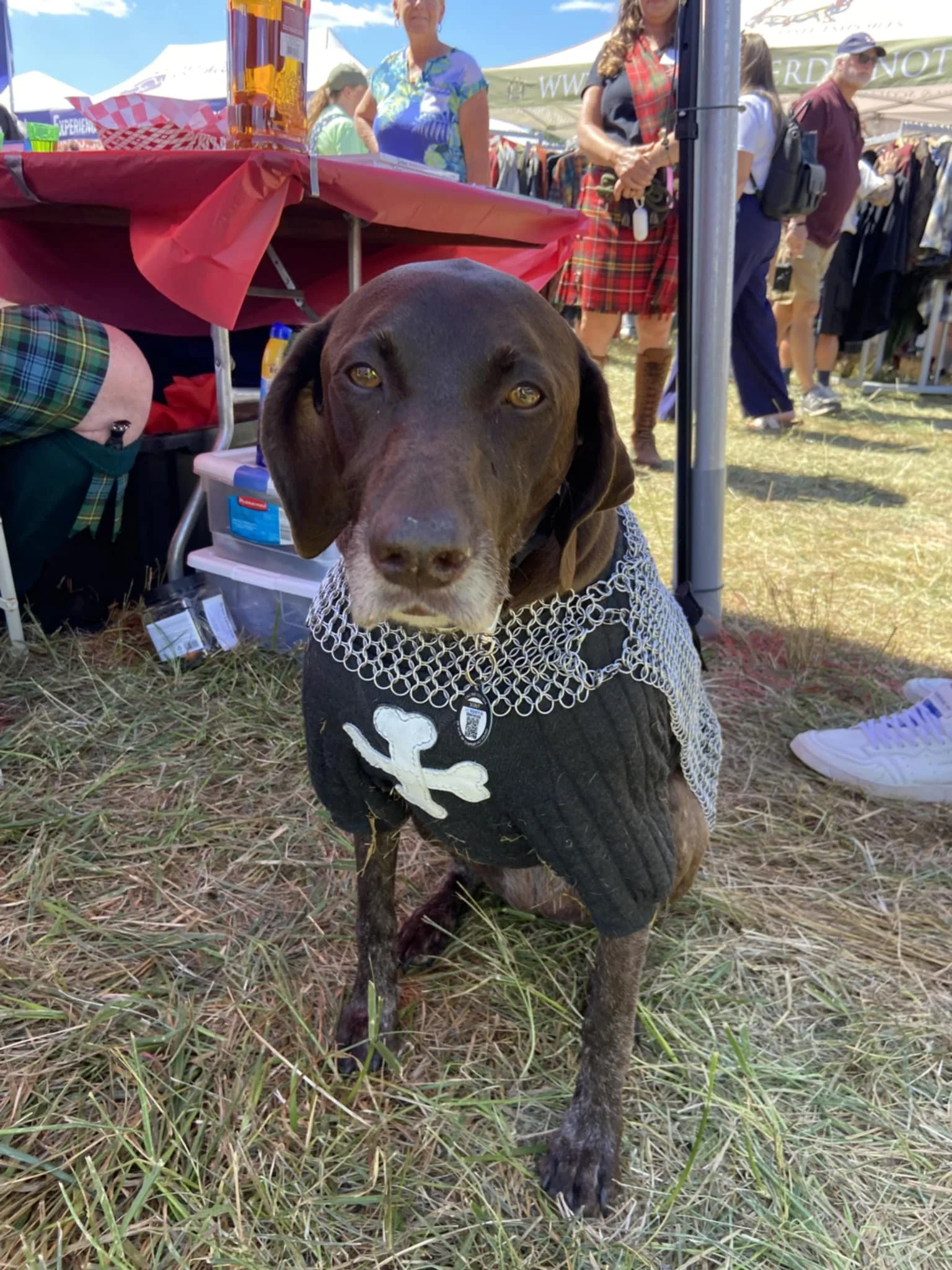
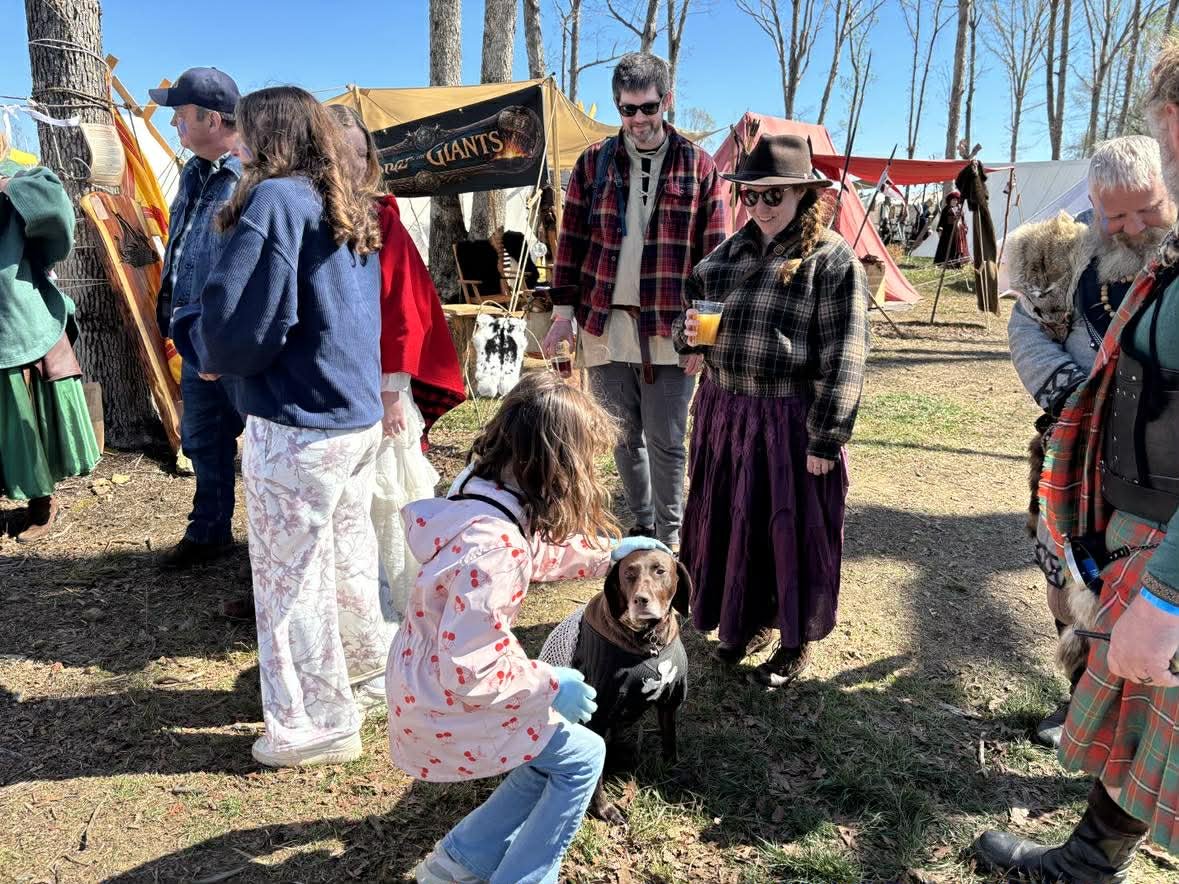
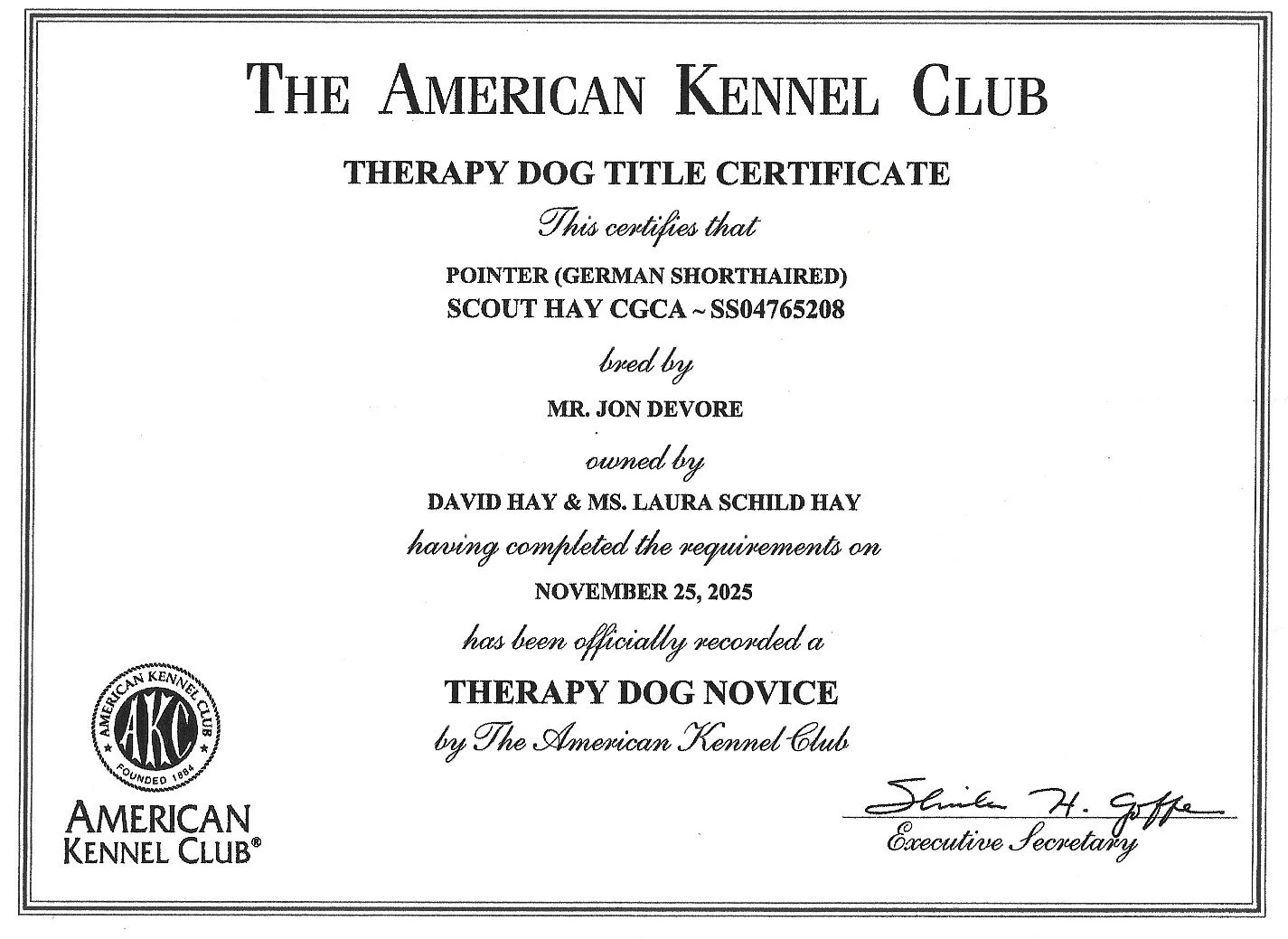
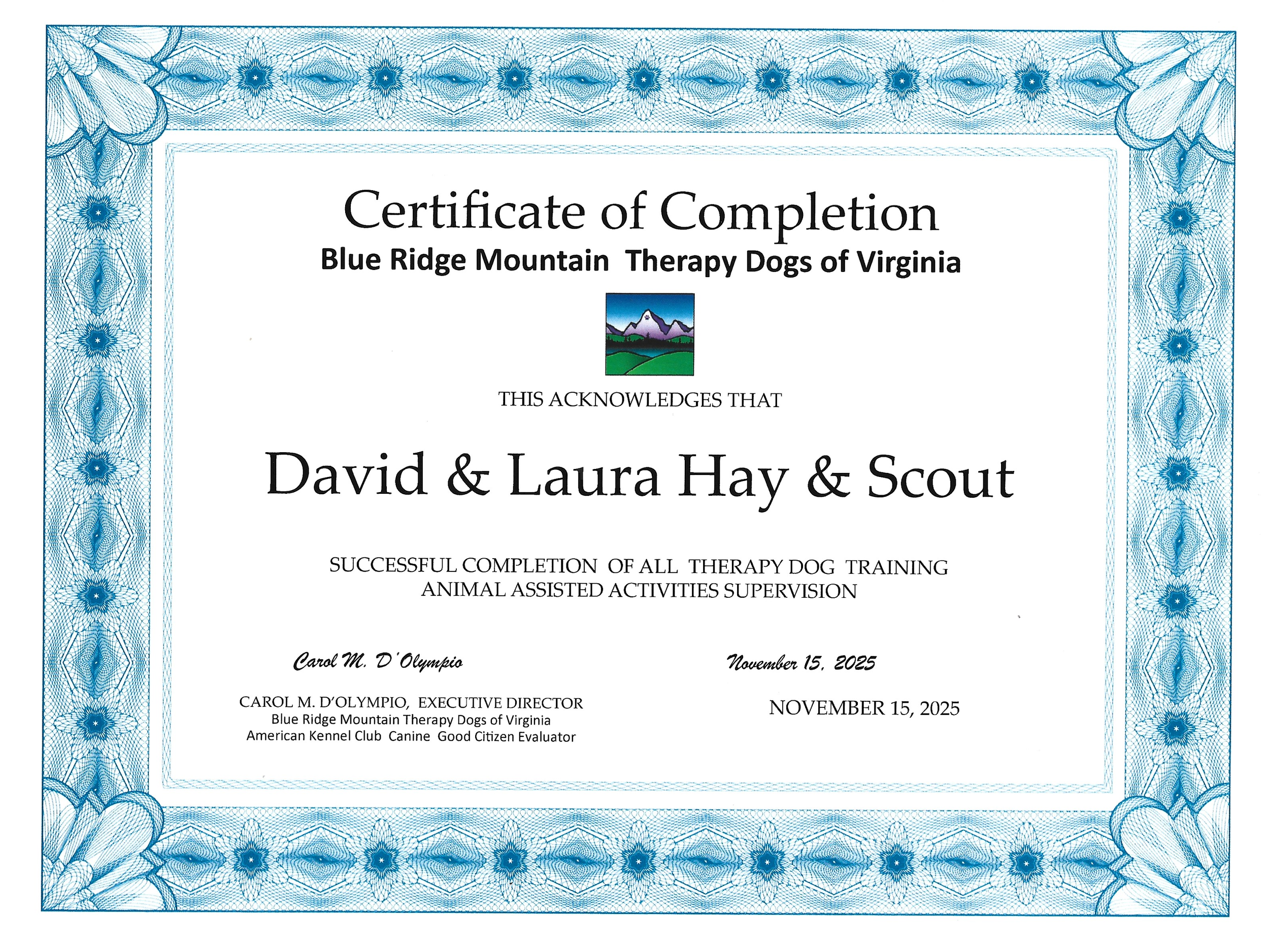
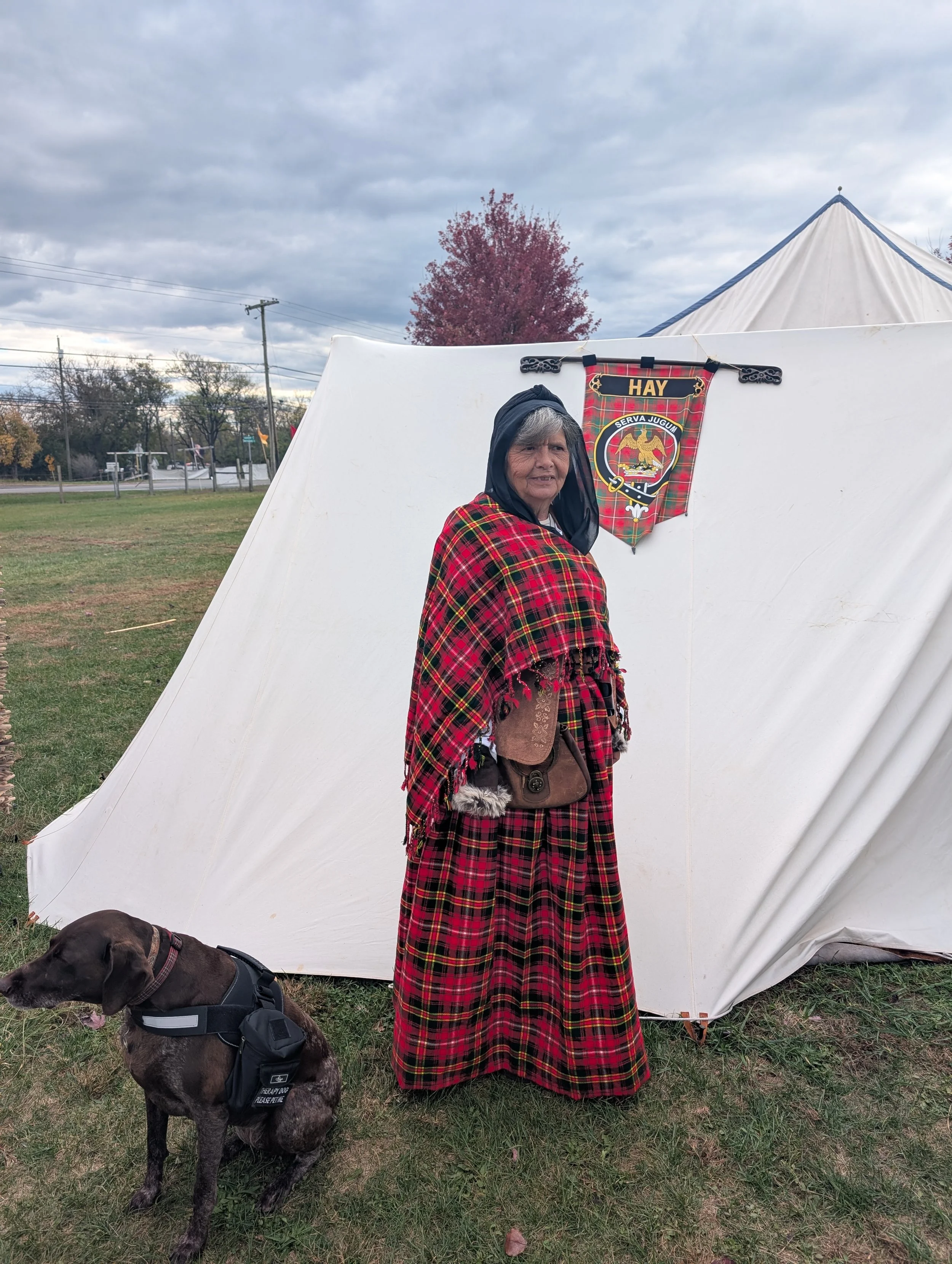
Don’t forget to come and visit with out official A.K.C. therapy dog, Scout, aka The War Hound.
Check back here for announcements or the events page for our next mission.
History & Heritage
The Evolution of the Modern Scottish Kilt
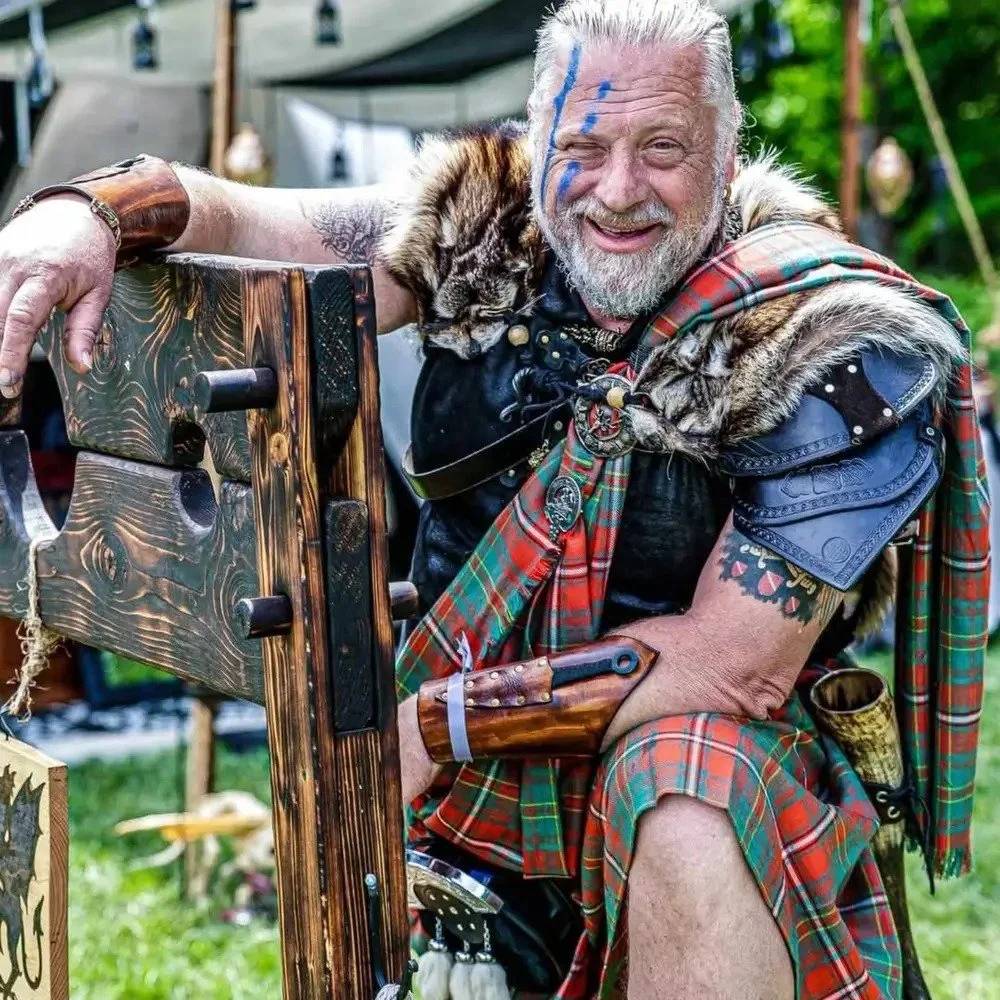
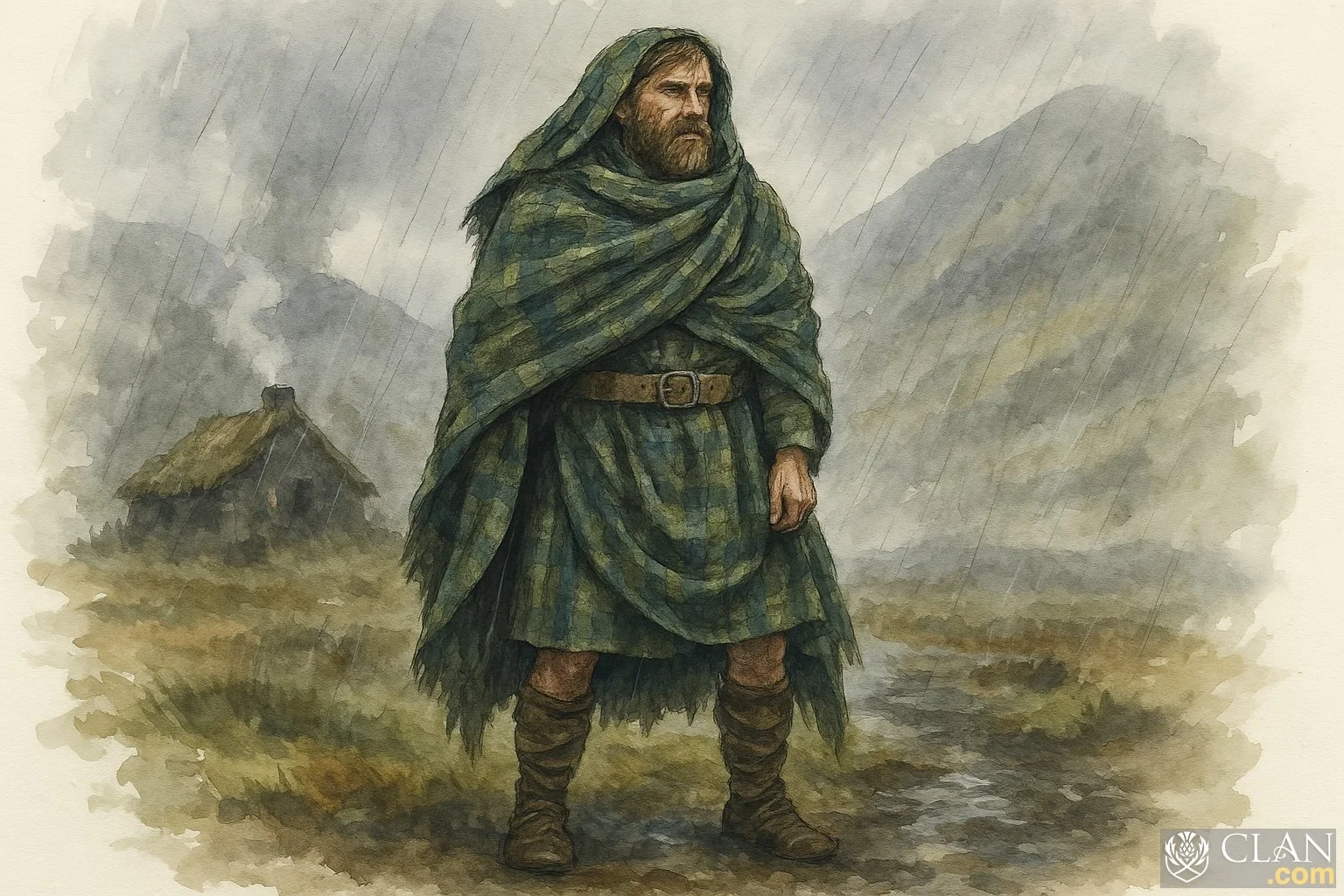
Through the broader Celtic tradition of draped and belted garments. Across Iron Age and early medieval Britain and Ireland, people commonly wore large woolen cloths, either as cloaks or wrapped around the body. Over time, especially in the Highlands, this evolved into the “great kilt” (feileadh mòr) a full-body garment that could be belted, gathered, and worn in multiple ways. This appears much later (16th–17th century), but it likely draws on long-standing regional habits of using large woven cloths for warmth, mobility, and identity.
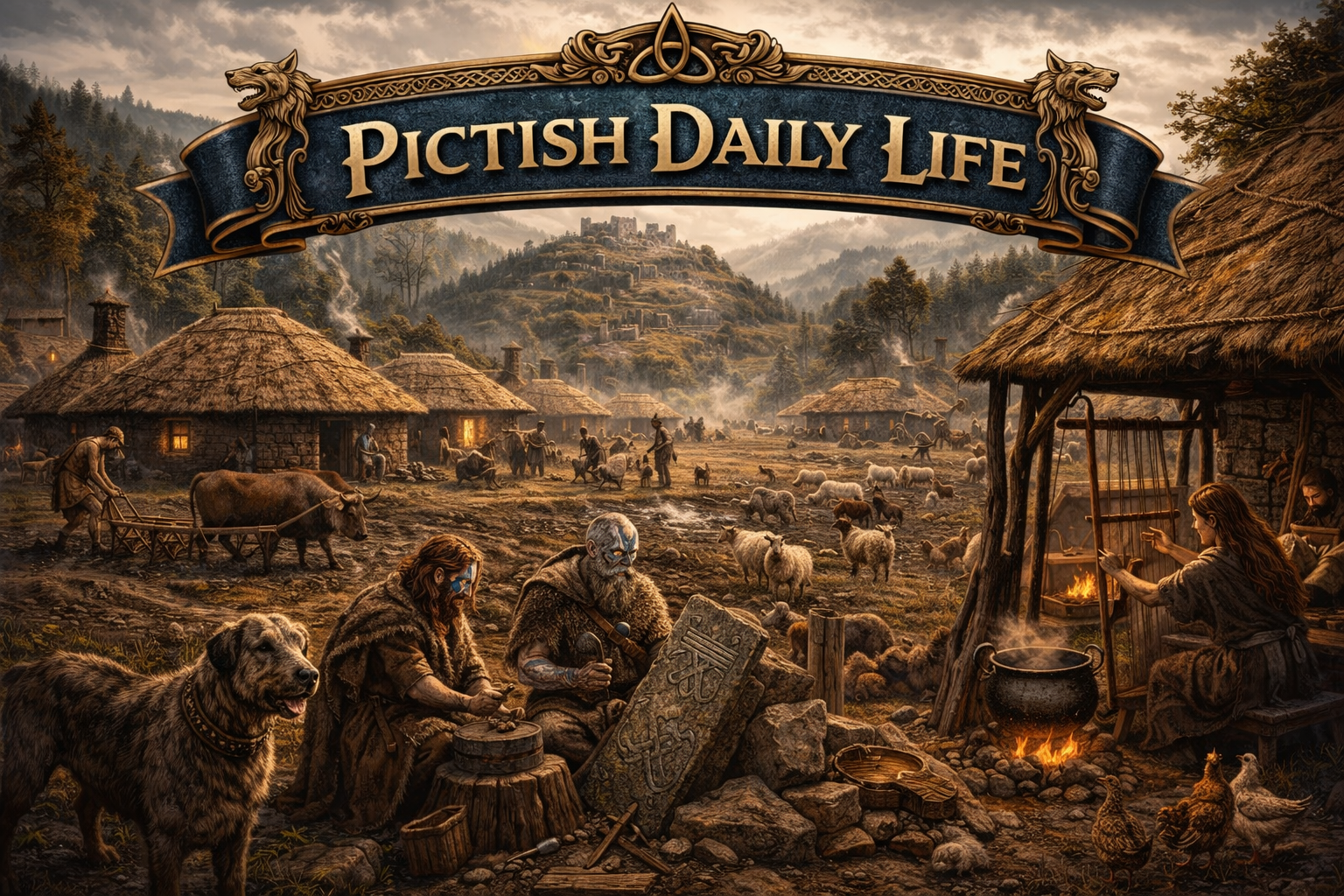
Daily life in a Pictish settlement was shaped by the rhythms of the land, the seasons, and the needs of a close knit community. Most people lived in small farming settlements made up of roundhouses constructed from timber, wattle, and thatch, often clustered near fertile ground or along river valleys. Agriculture formed the backbone of daily life. Barley, oats, and wheat were cultivated, while cattle, sheep, and pigs were raised for food, trade, and status. Work was constant and practical, tending fields, caring for animals, grinding grain, weaving cloth, and maintaining tools and structures necessary for survival.
These settlements were not isolated but part of a wider network of kinship and regional identity. Craftsmanship played an important role, with skilled individuals producing metalwork, carved stone, leather goods, and textiles. Trade likely connected different groups, exchanging goods such as hides, wool, and crafted items. Social life revolved around shared labor, feasting, storytelling, and seasonal gatherings, reinforcing bonds within the community and passing down traditions, history, and belief systems from one generation to the next.
Defense and awareness of the surrounding environment were also key aspects of settlement life. Many communities were situated near or within fortified sites such as hillforts or enclosed farmsteads, offering protection from rival groups or raiders. Watchfulness was a constant necessity, with both people and animals, especially dogs, playing a role in guarding the settlement. Despite the hardships of early medieval life, Pictish communities were resilient and adaptive, deeply connected to their land and rich in cultural expression through art, craft, and shared identity.